

Key Takeaways
Soil pH
Soil pH is a measure of how acidic or alkaline your soil is, rated on a scale from 0 to 14. A reading of 7.0 is neutral; anything below is acidic, anything above is alkaline. Most garden plants thrive in a slightly acidic to neutral range, roughly 6.0 to 7.0. The pH level directly controls how well plants can absorb nutrients from the soil.
pH stands for 'potential of hydrogen' and reflects the concentration of hydrogen ions in the soil solution. Even small shifts on the scale represent tenfold changes in acidity or alkalinity, since pH is logarithmic.
Why pH Matters More Than Most Gardeners Think
You can have rich, loamy soil and still watch your plants struggle - and pH is often why. Soil pH doesn't just influence how acidic the ground feels; it acts as a gatekeeper for nutrients. When pH is outside a plant's preferred range, nutrients like iron, manganese, and phosphorus chemically bind to soil particles and become unavailable, no matter how much fertilizer you've applied.
This is called nutrient lockout, and it's one of the most common - and overlooked - causes of poor plant performance. Gardeners often respond by adding more fertilizer, which rarely solves the problem and can sometimes make it worse by further shifting the pH or creating nutrient toxicity.
Understanding pH before you fertilize is essential. See our guide to reading fertilizer labels to understand what nutrients are actually in your bag - and why they may not be reaching your plants.
6.0-7.0
Optimal pH range for most garden plants
This range is widely cited by university extension services as the target for the majority of vegetables, lawns, and ornamentals grown in US home gardens.
~70%
US soils with pH outside ideal garden range
According to general soil science literature, a significant majority of native soils in the US require some amendment to reach optimal gardening pH without intervention.
How to Test Your Soil pH
Testing soil pH is straightforward and inexpensive. You have a few reliable options:
- Home test kits: Available at garden centers, these use chemical reagents or digital probes to give a reading in minutes. They're useful for a general picture and quick spot checks.
- Mail-in lab tests: Your state's cooperative extension service often offers these for a small fee. Lab tests are more precise and usually include recommendations for amendments specific to what you want to grow.
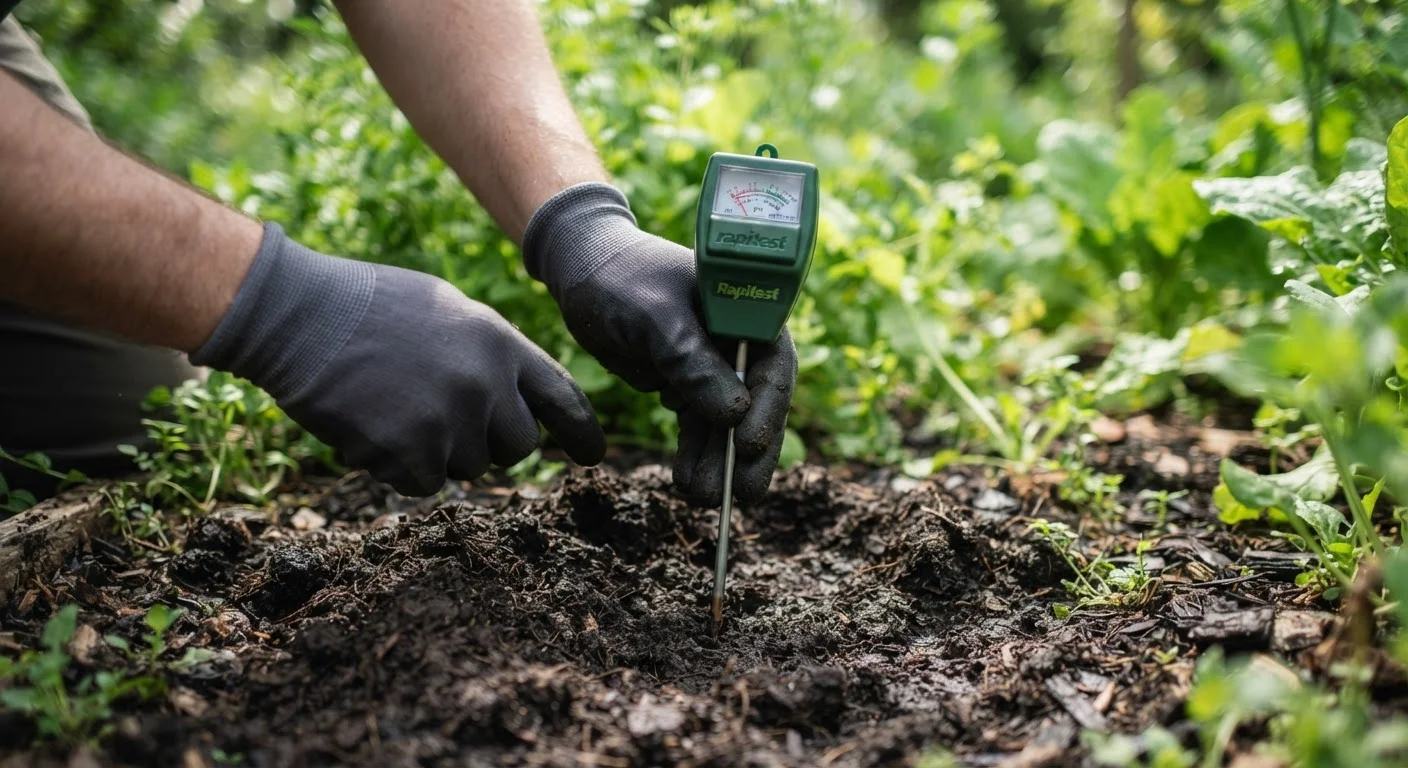
- Digital pH meters: Reusable probes inserted directly into moist soil. Quality varies by device, so calibrate regularly for accurate readings.
When sampling, take soil from several spots in the garden bed - about 6 inches deep - and mix them together before testing. A single scoop from one corner won't reflect the full picture, especially in larger beds.
Test Before You Amend
Never add lime or sulfur without testing first. Guessing at amendments is a common mistake that can push pH further in the wrong direction and stress plants. Even if your neighbor's garden needed lime, yours may not. A $15 test kit or an extension service lab test is always worth it before making changes.
How to Adjust Soil pH
Once you know your pH, you can correct it - though the process takes time and shouldn't be rushed.
Raising pH (making soil less acidic)
Add ground limestone (agricultural lime) to raise pH. Calcitic lime works well in most soils; dolomitic lime also adds magnesium, which benefits soils that are deficient in it. Apply lime in fall to give it several months to work before the growing season. Rates depend on your starting pH, target pH, and soil texture - clay soils need more lime than sandy ones to shift by the same amount.
Lowering pH (making soil more acidic)
Elemental sulfur is the most common amendment for lowering pH. Soil bacteria convert it to sulfuric acid over weeks or months. Acidifying fertilizers containing ammonium sulfate also lower pH gradually over time. Wood ash and peat moss have minor acidifying effects but are less predictable as primary corrections.
If you're preparing a new growing space and need better control over soil composition from the start, raised bed gardening can make managing pH significantly easier since you're working with a defined, controlled soil volume.
pH Preferences by Plant Type
Different plants have different pH sweet spots. Here's a general breakdown:
| Plant Type | Preferred pH Range |
|---|---|
| Most vegetables | 6.0 - 7.0 |
| Lawn grasses | 6.0 - 7.0 |
| Roses and most flowering shrubs | 6.0 - 6.5 |
| Blueberries | 4.5 - 5.5 |
| Azaleas and rhododendrons | 4.5 - 6.0 |
| Lavender and herbs | 6.5 - 7.5 |
Lawn grasses are particularly sensitive to pH, which is one reason fertilizer applications don't always produce the results homeowners expect. Our lawn fertilization guide covers how nutrient timing works alongside soil health. And if you're planning a vegetable plot, starting a vegetable garden from scratch walks through soil prep as part of a complete beginner's approach.