

Key Takeaways
Full control over soil quality and composition
You fill raised beds with a custom mix, bypassing whatever native soil problems - clay, compaction, contamination - exist below. This is the primary reason vegetable gardeners get better yields from raised beds.
Improved drainage reduces root disease risk
Raised beds shed excess water more efficiently than dense in-ground soil, lowering the risk of root rot and fungal problems common in heavy clay soils.
Soil warms earlier, extending the growing season
Because the soil mass is elevated and exposed on multiple sides, it absorbs heat faster in early spring - potentially adding two to four weeks of productive growing time in cooler climates.
Lower weed pressure, especially in early years
Starting with imported, weed-free soil significantly reduces germinating weeds. Native soil can harbor years of accumulated weed seeds that raised bed soil simply doesn't contain.
Accessible for gardeners with mobility limitations
Taller raised beds (18 inches or more) eliminate the need to kneel or bend low, making gardening practical and comfortable for people with back, knee, or hip limitations.
Works on difficult sites like patios or hardscaping
Raised beds can be placed on concrete, gravel, or compacted areas where in-ground planting isn't possible, opening up growing space that would otherwise be unusable.
Higher upfront material and soil costs
A single 4×8-foot bed with framing materials and quality soil fill can easily cost $150-$300 or more. Scaling up to multiple beds represents a significant initial investment.
Requires more frequent watering than in-ground beds
Faster drainage and greater sun exposure on the soil mass means raised beds dry out more quickly. In summer heat, daily watering may be necessary without drip irrigation in place.
Soil breaks down and must be replenished each season
Compost and organic material decompose over time, causing the bed to settle and lose fertility. An annual top-dressing of compost is typically needed to maintain productive growing conditions.
Not suited to large-scale or sprawling crops
Vining plants like pumpkins, or large perennial shrubs, quickly outgrow confined bed volumes. In-ground planting gives roots more room and reduces irrigation demands for these crops.
Frame materials can degrade or require maintenance
Untreated wood beds typically last 5-10 years before the frame begins to rot or warp. Metal and composite alternatives last longer but cost more upfront.
Our Verdict
Raised beds are a genuinely useful gardening method - not a gimmick - but they involve real upfront costs and ongoing maintenance that in-ground beds do not. For gardeners dealing with poor soil, drainage problems, or physical limitations, the investment usually pays off in healthier plants and a more manageable growing space. For those with good native soil and plenty of room, the extra expense may not be necessary.
Raised beds are best suited to gardeners with compacted or contaminated native soil, limited yard space, mobility concerns, or a strong interest in growing vegetables and herbs with consistent results.
What Raised Bed Gardening Actually Is
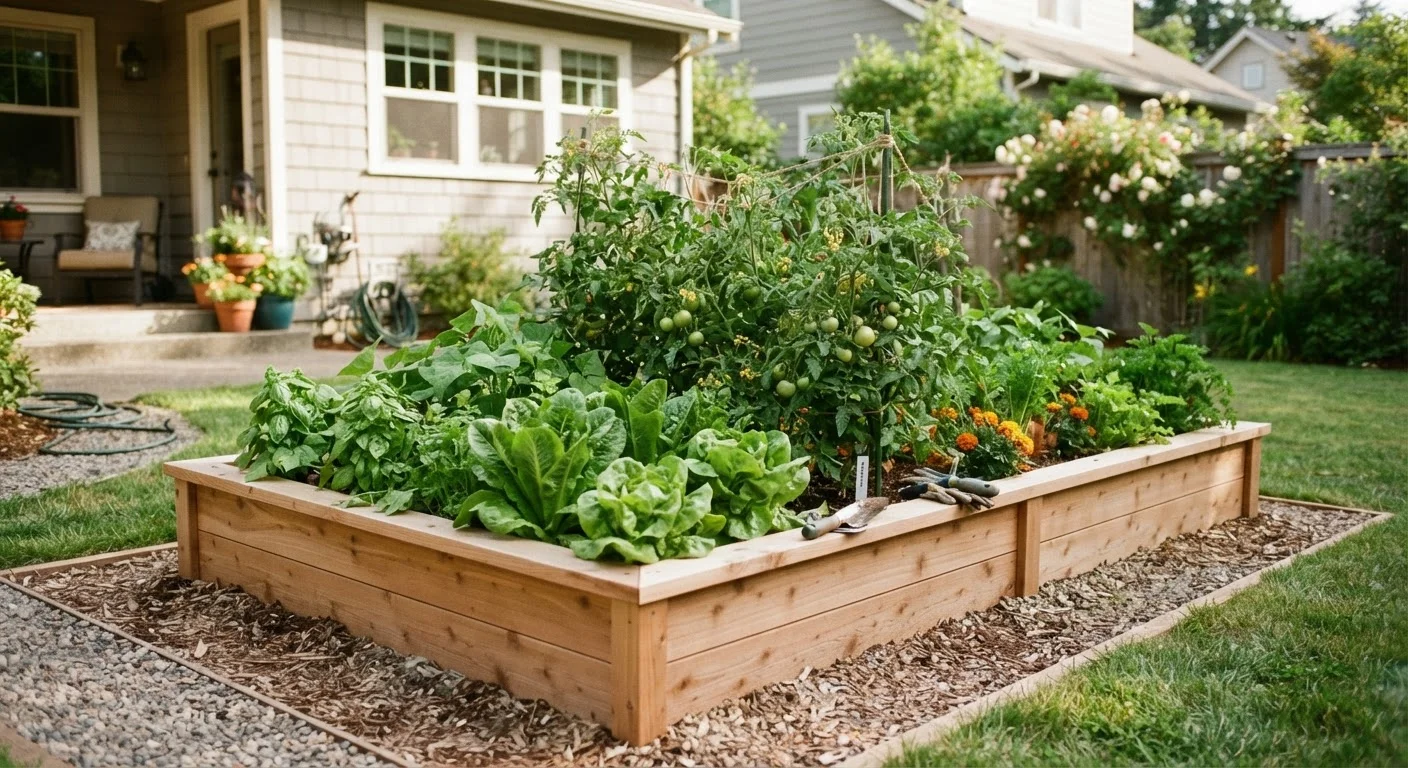
A raised bed is simply a contained growing area built above ground level, typically framed with wood, stone, galvanized steel, or composite materials. The frame is filled with a custom soil mix rather than relying on whatever native soil exists beneath it. Beds can sit directly on the ground (with or without a liner), on a patio, or even on rooftop surfaces if load-bearing capacity allows.
Most raised beds range from 6 to 12 inches deep - enough for the majority of vegetables, herbs, and annual flowers. Deeper beds (12-24 inches) are needed for root crops like carrots and parsnips. Width is typically kept to 3-4 feet so gardeners can reach the center from either side without stepping in and compacting the soil.
If you're just getting started with food production, our guide to starting a vegetable garden from scratch covers site selection and spacing basics that apply equally well to raised and in-ground approaches.
The Real Advantages of Raised Beds
The core appeal of raised beds comes down to control. When you build and fill a raised bed, you decide exactly what the soil is made of - and that matters enormously for plant health.
Full control over soil quality and composition
You fill raised beds with a custom mix, bypassing whatever native soil problems - clay, compaction, contamination - exist below. This is the primary reason vegetable gardeners get better yields from raised beds.
Improved drainage reduces root disease risk
Raised beds shed excess water more efficiently than dense in-ground soil, lowering the risk of root rot and fungal problems common in heavy clay soils.
Soil warms earlier, extending the growing season
Because the soil mass is elevated and exposed on multiple sides, it absorbs heat faster in early spring - potentially adding two to four weeks of productive growing time in cooler climates.
Lower weed pressure, especially in early years
Starting with imported, weed-free soil significantly reduces germinating weeds. Native soil can harbor years of accumulated weed seeds that raised bed soil simply doesn't contain.
Accessible for gardeners with mobility limitations
Taller raised beds (18 inches or more) eliminate the need to kneel or bend low, making gardening practical and comfortable for people with back, knee, or hip limitations.
Works on difficult sites like patios or hardscaping
Raised beds can be placed on concrete, gravel, or compacted areas where in-ground planting isn't possible, opening up growing space that would otherwise be unusable.
6-12 in.
Typical raised bed soil depth
Most vegetables grow successfully in 6 to 12 inches of quality soil; root crops like carrots generally need 12 or more inches.
4 ft.
Recommended maximum bed width
Keeping beds 3-4 feet wide allows gardeners to reach the center from either side without stepping in and compacting the soil.
5-10 yrs.
Typical lifespan of untreated wood frames
Cedar and redwood last longer than pine due to natural rot resistance; treated or composite materials can last significantly longer.
Beyond soil quality, raised beds drain faster than compacted in-ground soil, which helps prevent root rot in rainy climates. They also warm up earlier in spring because the dark soil mass absorbs heat from all sides. That can add two to four weeks to your effective growing season in cooler regions.
For gardeners with mobility issues, taller raised beds (18-24 inches) eliminate the need to kneel or bend, making gardening physically accessible for a much wider range of people. Even standard-height beds reduce the crouching required compared with low in-ground rows.
Weed pressure is also meaningfully lower in a raised bed - especially in the first few seasons - because you're starting with imported, weed-seed-free soil rather than the native ground that may carry years of weed seed banks.
Where Raised Beds Fall Short
Raised beds are not a universal upgrade. There are real drawbacks that every prospective builder should weigh honestly before committing.
Higher upfront material and soil costs
A single 4×8-foot bed with framing materials and quality soil fill can easily cost $150-$300 or more. Scaling up to multiple beds represents a significant initial investment.
Requires more frequent watering than in-ground beds
Faster drainage and greater sun exposure on the soil mass means raised beds dry out more quickly. In summer heat, daily watering may be necessary without drip irrigation in place.
Soil breaks down and must be replenished each season
Compost and organic material decompose over time, causing the bed to settle and lose fertility. An annual top-dressing of compost is typically needed to maintain productive growing conditions.
Not suited to large-scale or sprawling crops
Vining plants like pumpkins, or large perennial shrubs, quickly outgrow confined bed volumes. In-ground planting gives roots more room and reduces irrigation demands for these crops.
Frame materials can degrade or require maintenance
Untreated wood beds typically last 5-10 years before the frame begins to rot or warp. Metal and composite alternatives last longer but cost more upfront.
Material costs alone can be surprising. A single 4×8-foot cedar bed costs $50-$150 in lumber, and filling it with quality soil mix - typically a blend of topsoil, compost, and coarse material - can add another $50-$200 depending on your region and sourcing. Multiply that across several beds and the startup investment is significant.
Watering is a persistent challenge. Because raised beds drain well and have more exposed surface area, they dry out faster than in-ground gardens - sometimes requiring daily watering in hot, dry weather. Drip irrigation can help, but adds another layer of cost and setup.
Soil also breaks down and compresses over time. Most raised beds benefit from a 1-2 inch top-dressing of compost each season to maintain fertility and structure. Pairing this with a home composting system can reduce the long-term cost of soil replenishment considerably.
Choosing the Right Soil Mix
The soil you fill your raised bed with is more important than almost any other decision. Native topsoil alone is generally too dense - it compacts quickly and drains poorly when confined in a frame. A commonly recommended starting mix uses roughly equal parts quality topsoil, compost, and a coarse material such as coarse sand or perlite, though proportions vary based on what you plan to grow.
Soil pH is worth testing before you plant, particularly if you're sourcing materials from multiple places. A pH that's off by even half a point can block plants from absorbing nutrients that are physically present in the soil. Our article on soil pH and why your plants keep struggling explains how to test and adjust it without guesswork.
A Note on Wood Treatment and Safety
If you're building a food garden, the type of wood you use matters. Older pressure-treated lumber used chromated copper arsenate (CCA), which is no longer sold for residential use in the US. Modern pressure-treated lumber uses different preservatives generally considered lower risk, but many gardeners still choose untreated cedar, redwood, or composite alternatives for edible beds as a precaution. Check current guidance from your local cooperative extension service if you're uncertain.
Avoid filling raised beds with bagged potting mix alone - it's formulated for containers and breaks down too fast at larger volumes. Blending it with compost and topsoil gives a better long-term result.
What Grows Well - and What Doesn't
Raised beds perform best with vegetables, herbs, salad greens, strawberries, and annual flowers. Tomatoes, peppers, cucumbers, beans, basil, and most leafy greens thrive in the loose, well-drained environment. If you're planning a mix of annual and perennial plants, our article on perennial vs. annual flowers can help you plan a bed that delivers color across multiple seasons without replanting everything each year.
Large perennial shrubs, fruit trees, or plants with very deep or spreading root systems are generally poor candidates for raised beds - the confined soil volume limits their growth and requires more irrigation than open-ground planting. Sprawling crops like pumpkins and some winter squash varieties can also overwhelm a standard-sized bed quickly.
The depth of your bed matters too: shallow beds (6 inches) suit lettuce, herbs, and radishes well but will frustrate deeper-rooting crops. Plan your bed depth around your most space-demanding plants, not your easiest ones.