

Key Takeaways
High in fiber and protective plant compounds
Plant-based diets are naturally rich in dietary fiber, antioxidants, and phytonutrients, which are associated with reduced inflammation and lower chronic disease risk in population studies.
Associated with lower cardiovascular disease risk
Multiple large observational studies link plant-focused diets to lower LDL cholesterol and blood pressure, two major modifiable risk factors for heart disease.
Supports healthier body weight for many people
Plant-based eating patterns tend to be lower in calorie density and higher in satiety-promoting fiber, factors associated with more stable weight management in research reviews.
Reduces reliance on heavily processed animal products
Shifting toward whole plant foods naturally reduces intake of processed meats, which are classified as Group 1 carcinogens by the World Health Organization based on available evidence.
Can be cost-effective when built around staples
Dried lentils, beans, oats, and seasonal produce are among the most affordable nutrient-dense foods available, making a plant-forward approach accessible on a limited grocery budget.
Vitamin B12 deficiency risk is real and serious
Without supplementation or consistent use of fortified foods, vegans face near-certain B12 depletion over time - and deficiency can cause irreversible neurological damage if left unaddressed.
Lower bioavailability of key minerals
Iron, zinc, and calcium from plant sources are absorbed less efficiently than from animal products, meaning total intake needs to be higher to achieve equivalent absorption.
Protein quality requires more planning
Most plant proteins are lower in one or more essential amino acids compared to animal proteins; meeting needs requires variety across multiple plant protein sources throughout the day.
Heavily processed plant foods can be misleading
Many vegan convenience products - meat alternatives, snack bars, frozen meals - are high in sodium, added sugars, and refined ingredients, making label reading essential rather than optional.
Harder to manage for certain life stages without guidance
Pregnancy, breastfeeding, infancy, and older adulthood all involve elevated or altered nutrient needs; plant-based diets during these stages require professional oversight to be safely managed.
Omega-3 conversion from plant sources is inefficient
The body converts ALA (from flaxseed, chia, walnuts) to the more active EPA and DHA at rates generally estimated below 10%, which may leave gaps in long-chain omega-3 intake.
Our Verdict
Plant-based eating is a legitimate, health-promoting dietary pattern supported by substantial research - but it is not nutritionally complete on autopilot. The potential gaps are well understood and, for most people, manageable with informed planning. The key is approaching the diet with awareness rather than assumption.
Best suited to motivated eaters who are willing to plan intentionally, read labels, and work with a healthcare provider or dietitian to monitor nutrient status over time.
What Plant-Based Eating Actually Means
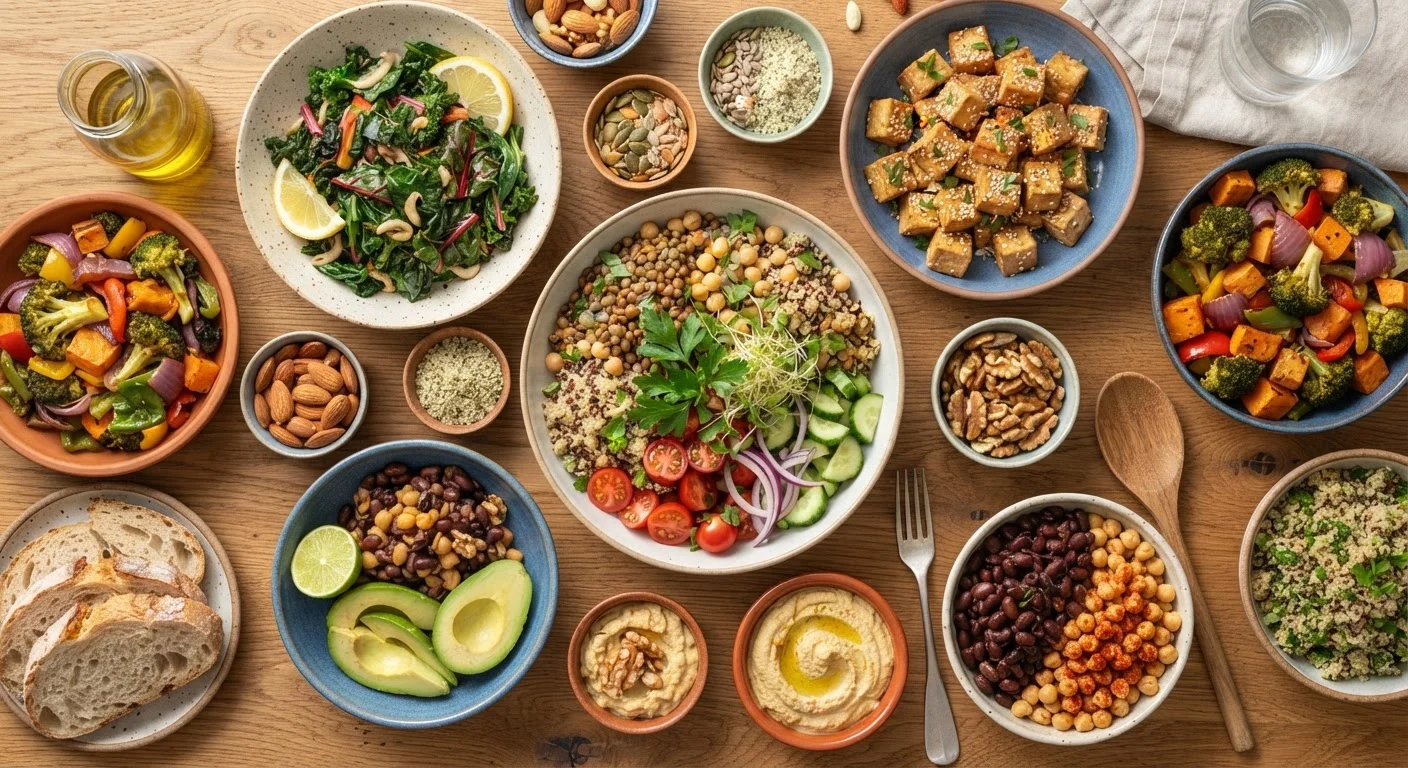
The term "plant-based" covers a wide spectrum - from fully vegan diets that exclude all animal products, to flexitarian patterns where meat and dairy appear occasionally. What these approaches share is that vegetables, fruits, legumes, whole grains, nuts, and seeds form the foundation of daily eating.
The evidence for plant-focused diets is genuinely strong. Research consistently associates them with lower rates of cardiovascular disease, type 2 diabetes, and certain cancers. Higher dietary fiber intake is one well-supported mechanism: most Americans fall well short of recommended fiber levels, and plant-centric diets address that gap directly.
But no single dietary pattern is nutritionally complete without attention to its weak points. For plant-based eating, those weak points are specific and predictable - which makes them addressable.
The Nutritional Gaps That Matter Most
Understanding why certain nutrients are harder to obtain from plants helps clarify what to watch for.
~92%
Americans under-consuming dietary fiber
According to the Dietary Guidelines for Americans, fiber is identified as a nutrient of public health concern due to widespread under-consumption across the U.S. population.
~40%
U.S. adults with insufficient vitamin D levels
Data from the National Health and Nutrition Examination Survey (NHANES) indicate that a substantial portion of American adults have vitamin D levels below recommended thresholds, regardless of diet type.
<10%
ALA-to-DHA conversion efficiency
Research estimates suggest that the body converts ALA - the plant-derived omega-3 - to DHA at rates often below 10%, which is a meaningful consideration for those avoiding seafood entirely.
Vitamin B12
B12 is produced by microorganisms and found almost exclusively in animal-derived foods. It is the one nutrient that cannot be reliably sourced from a fully plant-based diet without fortified foods or supplementation. B12 is essential for nerve function and red blood cell formation, and deficiency can develop slowly but have serious consequences. Vegans and strict vegetarians are generally advised to use a B12 supplement or rely on fortified foods - a conversation best had with a healthcare provider.
Iron
Plants contain non-heme iron, which the body absorbs less efficiently than heme iron from meat. Foods like lentils, tofu, fortified cereals, and pumpkin seeds are solid sources, but absorption can be enhanced by pairing them with vitamin C-rich foods (such as bell peppers or citrus) and reduced by consuming them alongside tea, coffee, or calcium-rich foods at the same meal.
Omega-3 Fatty Acids
The omega-3s most relevant to heart and brain health - EPA and DHA - come primarily from fatty fish. Plants provide ALA (found in flaxseeds, chia seeds, walnuts), but the body converts ALA to EPA and DHA inefficiently. Algae-based omega-3 supplements offer a direct plant-derived source of EPA and DHA, which is worth discussing with a clinician.
Calcium and Vitamin D
Dairy is a primary calcium source for many Americans. Plant alternatives include fortified non-dairy milks, tofu made with calcium sulfate, bok choy, and white beans. Vitamin D - which supports calcium absorption and bone health - is synthesized through sun exposure and found in very few foods naturally. Fortified foods and supplementation are often necessary regardless of dietary pattern, but are particularly worth monitoring on a plant-based diet.
Zinc and Iodine
Zinc from plant sources is less bioavailable due to phytates in grains and legumes. Soaking or sprouting legumes can reduce phytate content. Iodine is less visible: it comes largely from seafood, dairy, and iodized salt. Plant-based eaters who use non-iodized specialty salts and avoid seafood may have low intake.
Advantages Worth Acknowledging
A balanced view of plant-based eating means recognizing where it genuinely delivers.
High in fiber and protective plant compounds
Plant-based diets are naturally rich in dietary fiber, antioxidants, and phytonutrients, which are associated with reduced inflammation and lower chronic disease risk in population studies.
Associated with lower cardiovascular disease risk
Multiple large observational studies link plant-focused diets to lower LDL cholesterol and blood pressure, two major modifiable risk factors for heart disease.
Supports healthier body weight for many people
Plant-based eating patterns tend to be lower in calorie density and higher in satiety-promoting fiber, factors associated with more stable weight management in research reviews.
Reduces reliance on heavily processed animal products
Shifting toward whole plant foods naturally reduces intake of processed meats, which are classified as Group 1 carcinogens by the World Health Organization based on available evidence.
Can be cost-effective when built around staples
Dried lentils, beans, oats, and seasonal produce are among the most affordable nutrient-dense foods available, making a plant-forward approach accessible on a limited grocery budget.
For a practical look at building a nutrient-dense kitchen, the weekly grocery and pantry checklist provides a useful reference for ensuring variety across food groups.
Honest Drawbacks to Consider
Every dietary pattern involves trade-offs. These are the most common challenges plant-based eaters face.
Vitamin B12 deficiency risk is real and serious
Without supplementation or consistent use of fortified foods, vegans face near-certain B12 depletion over time - and deficiency can cause irreversible neurological damage if left unaddressed.
Lower bioavailability of key minerals
Iron, zinc, and calcium from plant sources are absorbed less efficiently than from animal products, meaning total intake needs to be higher to achieve equivalent absorption.
Protein quality requires more planning
Most plant proteins are lower in one or more essential amino acids compared to animal proteins; meeting needs requires variety across multiple plant protein sources throughout the day.
Heavily processed plant foods can be misleading
Many vegan convenience products - meat alternatives, snack bars, frozen meals - are high in sodium, added sugars, and refined ingredients, making label reading essential rather than optional.
Harder to manage for certain life stages without guidance
Pregnancy, breastfeeding, infancy, and older adulthood all involve elevated or altered nutrient needs; plant-based diets during these stages require professional oversight to be safely managed.
Omega-3 conversion from plant sources is inefficient
The body converts ALA (from flaxseed, chia, walnuts) to the more active EPA and DHA at rates generally estimated below 10%, which may leave gaps in long-chain omega-3 intake.
Understanding how to interpret nutrition information is a practical skill worth developing. The guide to reading a nutrition label can help identify fortified foods and track key nutrients more confidently.
Practical Steps for Closing the Gaps
Awareness is the first step; the following general strategies reflect mainstream dietary guidance for plant-based eaters:
- Diversify protein sources. Rotating between lentils, chickpeas, tempeh, edamame, quinoa, and seeds helps cover a wider amino acid range. Protein needs shift across life stages, so it is worth reviewing what general guidance recommends at your stage of life.
- Choose fortified foods strategically. Many plant milks, cereals, and meat alternatives are fortified with B12, calcium, and vitamin D. Checking labels - not just ingredients - matters here.
- Prepare legumes thoughtfully. Soaking dried beans and cooking them fully improves mineral bioavailability by reducing phytates and lectins.
- Consider iodized salt. If you use salt at all, iodized varieties help maintain iodine intake without requiring dietary overhaul.
- Get bloodwork done periodically. There is no reliable way to assess B12, iron, vitamin D, or zinc status without lab testing. A primary care provider or registered dietitian can help interpret results and guide any supplementation decisions.
Special Populations Need Extra Care
Pregnant and breastfeeding individuals, infants, young children, and older adults have nutrient needs that differ significantly from general adult recommendations. A plant-based diet during these life stages is not inherently unsafe, but it requires careful professional oversight. If you fall into one of these groups, consult a registered dietitian or your healthcare provider before making substantial dietary changes.
This article is for general informational and educational purposes only and is not a substitute for professional medical or dietary advice. Consult a qualified healthcare provider or registered dietitian before making significant changes to your diet or starting any supplementation.