

Key Takeaways
Why Some Projects Are Off-Limits for DIY
Most homeowners can handle painting, minor landscaping, or swapping out a faucet. But a meaningful category of home improvement work sits in a different tier entirely - one defined by safety codes, permitting requirements, and licensing laws that exist to protect occupants, neighbors, and future buyers.
The projects on this list aren't off-limits because they're difficult. They're regulated because mistakes carry consequences that extend well beyond a bad finish - think fire hazards, structural failure, gas leaks, or voided insurance coverage. As a general rule, any work that touches your home's core systems or load-bearing structure warrants a licensed professional. Our framework for deciding between DIY and contractor work can help you think through borderline projects, but the ones below rarely fall into the gray zone.
Always Verify Local Requirements First
Licensing and permit requirements vary significantly by state, county, and municipality. What requires a permit in one jurisdiction may not in another - and vice versa. Before starting any project on this list, contact your local building department to confirm what's required. Most departments offer free pre-application consultations or publish permit requirement checklists online.
Understanding what triggers permit requirements is equally important. See our guide on permits, inspections, and building codes to understand what the permitting process actually involves and why skipping it can backfire at resale or insurance time.
Projects That Typically Require a Licensed Professional
Electrical Panel Upgrades and Service Changes
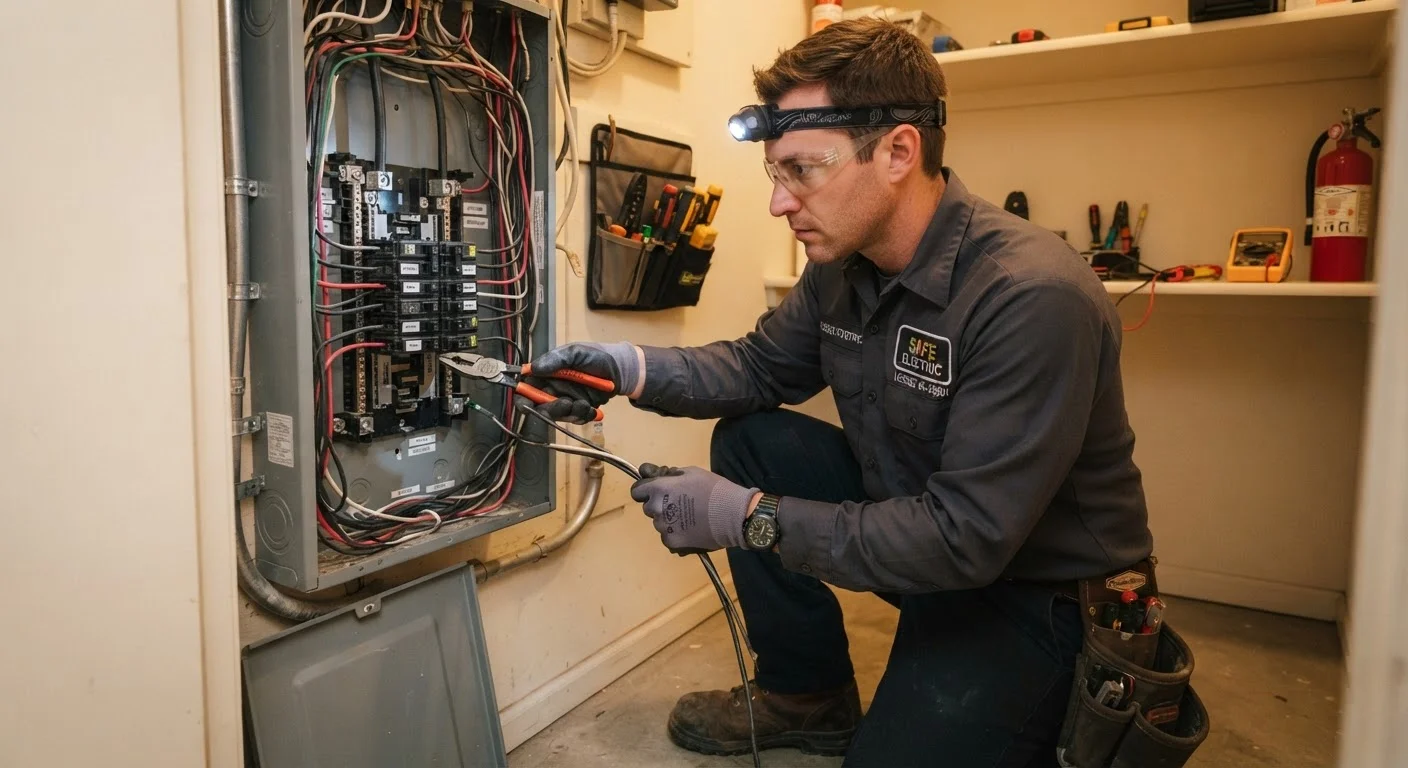
Upgrading your electrical panel - or adding a new circuit - is among the most consistently regulated home improvement tasks in the United States. Most jurisdictions require not only a licensed electrician to perform the work but also a permit and a subsequent inspection by the local authority having jurisdiction (AHJ). This is because improper panel work is a leading cause of residential electrical fires.
This includes work like upgrading from a 100-amp to a 200-amp service, replacing fuses with breakers, or adding subpanels. Even if you're electrically inclined, pulling the permit in your own name as a homeowner (where allowed) and doing the work yourself may not meet code in your area - check with your local building department first.
Improper panel work is a leading cause of residential electrical fires - licensing requirements exist for good reason.
Gas Line Installation and Repair
Any work involving natural gas or propane lines - running a new line to a range, relocating a gas dryer connection, or installing a gas fireplace insert - requires a licensed plumber or gas fitter in virtually every U.S. jurisdiction. Gas leaks are invisible and odorless in their natural state (the sulfur smell is added as a safety measure), and even small errors in fittings or pressure testing can create serious explosion or carbon monoxide risks.
Beyond safety, most homeowner's insurance policies explicitly exclude damage caused by unprofessional gas line work. A licensed contractor will pressure-test the line, pull the appropriate permit, and arrange for inspection before the system is put into service.
Gas line errors can create explosion or carbon monoxide risks - and most insurance policies exclude damage from unprofessional work.
Structural Modifications and Load-Bearing Wall Removal
Opening up a floor plan by removing walls sounds straightforward, but walls that carry the load of floors or roofing above them - called load-bearing walls - require engineered solutions when they're removed or modified. This means a structural engineer's assessment, proper beam sizing, and often a building permit before any framing comes down.
Incorrectly removing a load-bearing wall can cause ceiling or roof sagging, cracked drywall, or, in severe cases, partial structural collapse. A licensed general contractor working with a structural engineer will assess the load path, specify the correct header beam, and ensure the work passes inspection.
Removing the wrong wall without engineering review can cause structural failure - a risk no amount of DIY confidence can offset.
HVAC System Installation and Major Repairs
Installing a new furnace, central air conditioning system, or heat pump involves refrigerant handling, gas connections, electrical wiring, and ductwork design - each of which may independently require licensing. Federal law (Section 608 of the Clean Air Act) requires EPA certification to purchase and handle refrigerants, so anyone doing their own refrigerant work without that certification is operating outside the law.
Beyond refrigerants, sizing errors in HVAC are common and costly. An oversized or undersized system will cycle incorrectly, reducing efficiency, comfort, and equipment lifespan. Licensed HVAC technicians use load calculations (Manual J) to size equipment correctly - a step that's difficult to replicate without professional training.
Federal law requires EPA certification to handle refrigerants - a legal baseline that rules out unlicensed HVAC work.
Roof Replacement
While minor roof repairs - replacing a handful of shingles, resealing flashing - can sometimes be handled by a capable homeowner comfortable working at heights, full roof replacement is a different matter. Most jurisdictions require a permit for complete tear-off and re-roofing, and many lenders and insurance companies require licensed roofing contractors for covered repairs or claims.
Improper installation - including inadequate underlayment, poor flashing around penetrations, or incorrect shingle fastening - can void manufacturer warranties and lead to water infiltration that causes mold, rot, and structural damage. Licensed roofers carry liability insurance and workers' compensation, which matters if someone is injured on your property during the job.
Poor flashing or fastening can void manufacturer warranties and cause water damage that costs far more than the job itself.
Plumbing Beyond Fixture Swaps
Replacing a faucet or showerhead is typically within DIY reach. But extending supply lines, moving drain stacks, or connecting new fixtures to your main water supply line usually requires a licensed plumber and, in most areas, a permit. This is especially true for any work involving the sewer main, water meter connections, or work behind walls that will be closed up before inspection.
Improperly vented drain lines can cause sewer gas - including hydrogen sulfide - to enter living spaces, creating health hazards. Cross-connections in supply plumbing can contaminate drinking water. These aren't theoretical risks; they're the reason plumbing codes exist and why inspections are required before walls close.
Improperly vented drain lines can allow sewer gas into your living space - a health hazard that code inspections are designed to prevent.
The Bigger Picture: Compliance, Resale, and Peace of Mind
Hiring a licensed professional isn't only about getting the job done safely - it's about protecting your home's value and your legal standing. Unpermitted work on regulated systems can complicate homeowner's insurance claims, delay or derail a home sale, and even require expensive tear-out and remediation before a property can transfer title.
If you own an older home, the stakes can be higher still. Homes built before the 1980s may have legacy systems - knob-and-tube wiring, lead solder on pipes, or outdated panel boxes - that make professional assessment even more critical. Our guide to older home maintenance covers many of these specific considerations in depth.
When in doubt about scope, a general contractor can help you assess what your project actually involves and which licensed subcontractors it may require. And for a broader DIY vs. pro decision-making framework, our home maintenance hub has you covered.
This article is for general informational purposes only and does not constitute legal, safety, or professional contracting advice. Requirements vary by state, county, and municipality. Always verify permit and licensing requirements with your local building authority before beginning any home improvement project.