

Key Takeaways
General Contractor
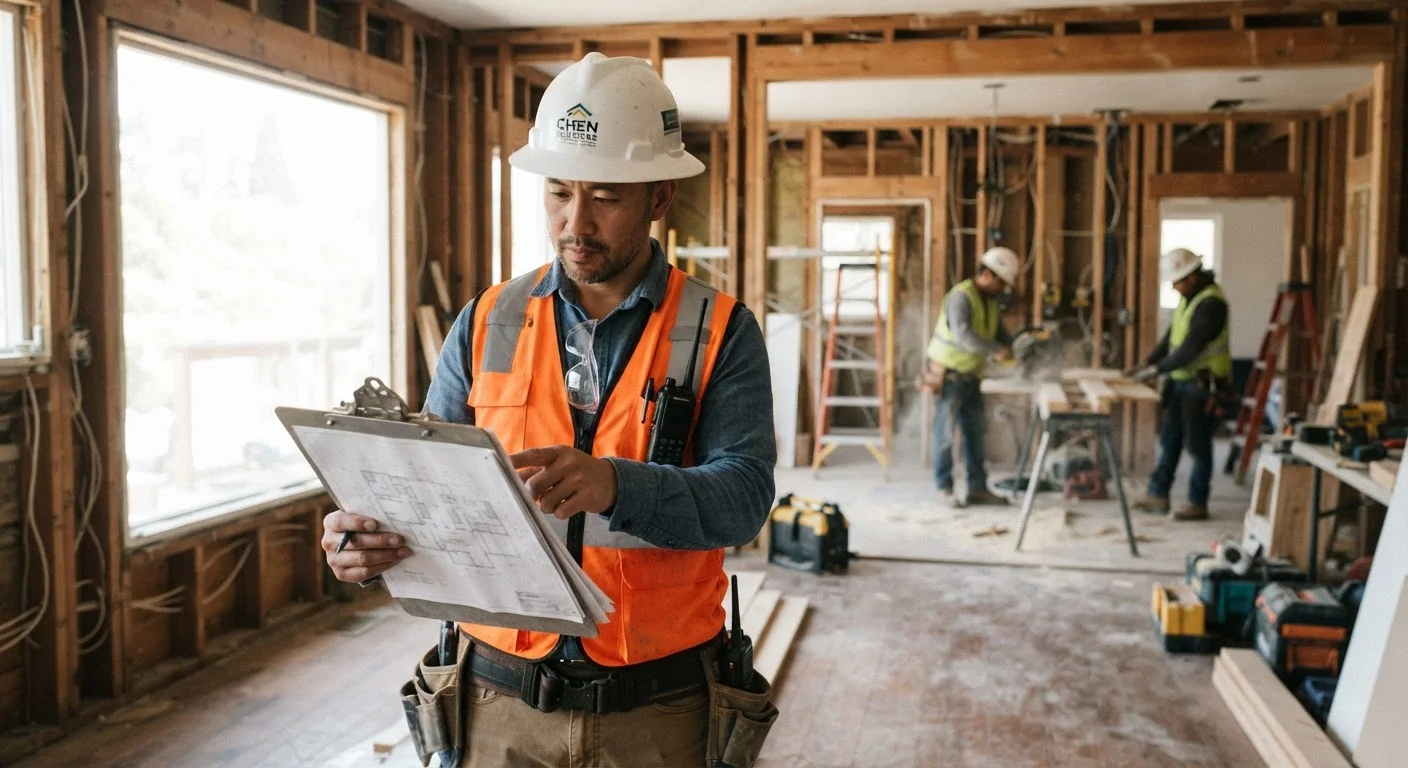
A general contractor (GC) is a licensed professional who manages the day-to-day operations of a construction or renovation project from start to finish. They hire and coordinate subcontractors - such as electricians, plumbers, and framers - obtain necessary permits, and serve as the primary point of contact between the homeowner and everyone working on-site. Their job is to deliver the finished project on time, within budget, and up to code.
In most U.S. states, general contractors must hold a state-issued license and carry both general liability insurance and workers' compensation coverage. Licensing requirements vary by state and sometimes by county.
The Core Role: More Manager Than Builder
Most homeowners picture a general contractor swinging a hammer. In reality, their most important tool is a phone. A GC's primary function is project management - translating your vision into a coordinated series of tasks performed by the right professionals, in the right order, at the right time.
A GC's typical responsibilities include:
- Reviewing project plans and scoping out the full scope of work
- Applying for and managing building permits
- Hiring licensed subcontractors for specialized trades
- Scheduling work sequences so each trade follows logically from the last
- Conducting site inspections and quality checks throughout
- Managing the project budget and tracking costs
- Serving as your single point of communication for all on-site activity
That last point matters more than people realize. Without a GC, you become the coordinator - fielding calls from plumbers, chasing down electricians, and solving scheduling conflicts between trades. A GC absorbs that burden professionally.
Always Verify License and Insurance Before Hiring
Ask any GC candidate for their state contractor's license number and verify it through your state's licensing board website. Also request proof of general liability insurance and workers' compensation coverage. A reputable contractor will provide these without hesitation, and skipping this step leaves you exposed if something goes wrong on your property.
What Projects Actually Require a General Contractor
Not every home project warrants a GC. A single-trade job - replacing a water heater, installing a new light fixture, or refinishing hardwood floors - is typically handled by one licensed specialist. You hire that specialist directly and manage the project yourself.
A general contractor becomes genuinely necessary when your project:
- Involves multiple trades - for example, a kitchen remodel touching plumbing, electrical, HVAC, and carpentry
- Requires structural changes - removing load-bearing walls, adding square footage, or altering the roofline
- Needs permits and inspections - most municipalities require a licensed GC to pull permits for significant work
- Has a tight or complex schedule - when sequencing trades incorrectly could cause rework and cost overruns
- Exceeds your technical oversight capacity - you cannot evaluate whether framing, rough electrical, or plumbing meets code standards
See which projects commonly require licensed professionals for a broader breakdown of when professional oversight is legally or practically necessary.
How the GC-Homeowner Relationship Works
Understanding who is responsible for what prevents the most common renovation disputes. When you hire a GC, you are entering a prime contract - a formal agreement that defines the scope, schedule, payment terms, and who carries liability. The GC then enters separate contracts with each subcontractor on their end.
This structure means you do not need to manage individual subcontractors. If the tile setter makes a mistake or the plumber fails an inspection, that is the GC's problem to resolve, not yours to negotiate around. Your job as a homeowner is to:
- Communicate your goals and expectations clearly at the outset
- Make design decisions promptly to avoid delays
- Review and approve change orders before work proceeds
- Pay on the agreed schedule tied to project milestones
Effective contractor communication - including written change orders and regular check-ins - is one of the most underestimated tools a homeowner has. Before your first renovation begins, review a pre-project checklist to confirm permits, credentials, and budget buffers are in place.
GC Costs: What You're Actually Paying For
General contractors typically charge a markup of 10-20% above project costs as their fee, though this varies by region, project complexity, and firm size. That fee covers their time, expertise, risk exposure, and the administrative overhead of managing permits, subs, and materials.
It can feel steep when you're staring at a budget. But consider what that markup buys:
- A licensed professional who carries liability if something goes wrong
- Established relationships with vetted, reliable subcontractors
- Experience catching design or code conflicts before they become expensive fixes
- A single entity responsible for delivering the finished project
If you're weighing whether to hire a GC or manage a project yourself, a contractor vs. DIY decision framework can help you assess the trade-offs honestly. The right answer depends on your project's complexity, your own skill level, and your risk tolerance.
10-20%
Typical GC fee as a markup over project costs
Industry standard ranges cited by the National Association of Home Builders and widely referenced across the remodeling industry.
~35%
U.S. homeowners who report renovation cost overruns
A commonly cited figure in homeowner surveys highlights the financial risk of underestimating project complexity without professional coordination.
This article provides general home improvement information for educational purposes. Licensing requirements, permit rules, and contractor regulations vary significantly by state and locality. Always verify requirements with your local building authority and consult a licensed professional for your specific project.