

Key Takeaways
Why Some Places Punish the Rush
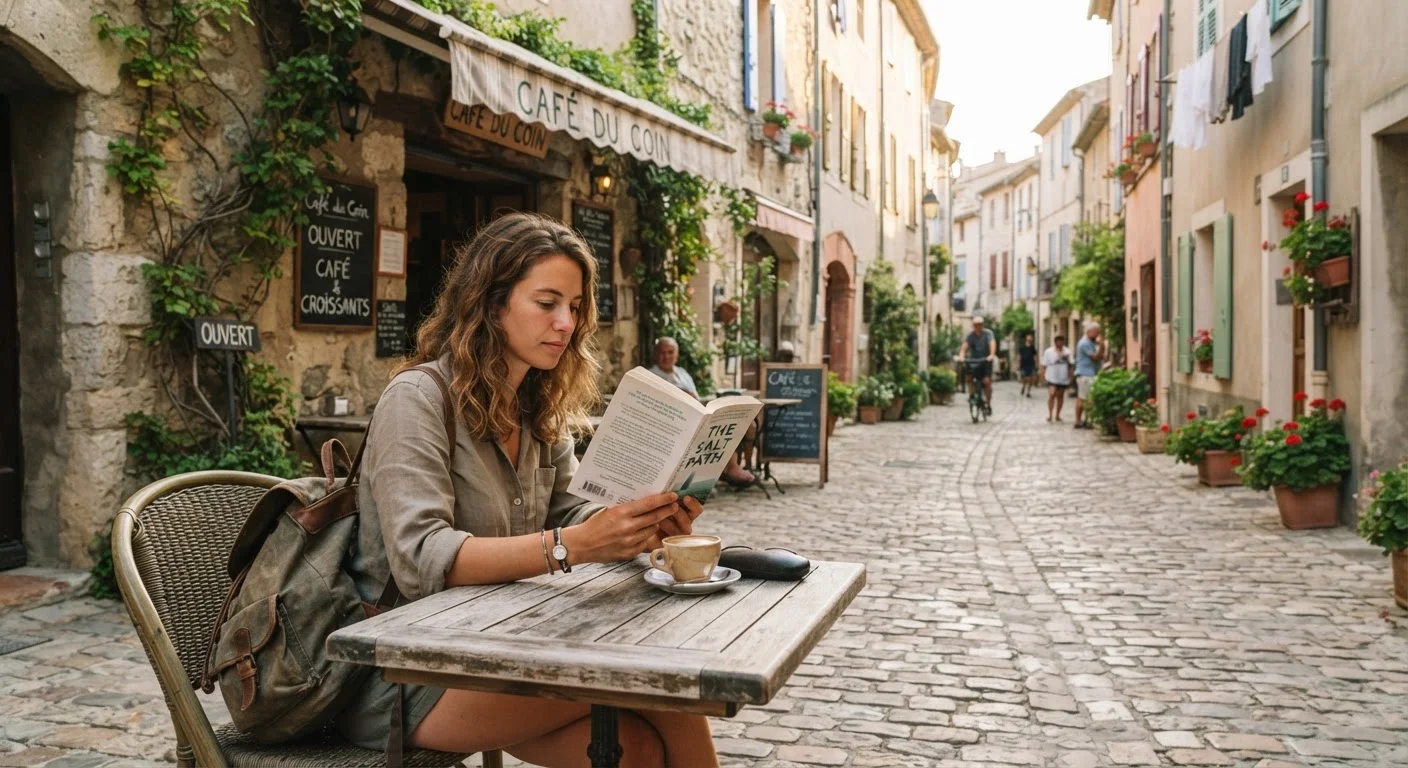
There's a particular kind of traveler regret that sets in around day three of a packed ten-city European tour: the creeping sense that you've been moving through places rather than actually being in them. Slow travel is the deliberate antidote - spending enough days somewhere that you develop a favorite café, learn which street market runs on which morning, and start to feel the difference between being a tourist and being a temporary local.
Not every destination rewards this approach equally. A theme park is designed for throughput. A major event city wants you to see the headline acts and move on. But certain types of places - and the list below explores several - offer layers that only reveal themselves with time. The cobblestone alleys that don't appear on any map app. The neighbor who invites you to a family dinner. The trail that's been buried under too many social media posts but is still there, still worth every step.
For a deeper look at how pacing shapes the whole trip experience, see our comparison of slow and fast travel styles. And if you're still building your itinerary, our guide on what makes a well-built travel itinerary covers the pacing fundamentals that apply regardless of how many stops you plan.
Small Coastal Towns
Seaside towns with a working harbor - think small fishing villages along the Maine coast, the Adriatic, or the Pacific Northwest - operate on a rhythm that has nothing to do with tourist schedules. Morning fish markets, afternoon tides, and evening community gatherings are the real itinerary. A weekend visitor barely scratches the surface; a week-long visitor starts to understand the place.
Staying longer also opens up micro-excursions that don't make sense on a short trip: kayaking to a neighboring cove, catching a weekly farmers market, or timing a whale-watching window rather than forcing it. The unhurried pace of coastal life is contagious - and that's exactly the point.
Coastal town rhythms - tides, markets, harbor life - only become legible after several days.
Rural Agricultural Regions
Wine country, olive-growing valleys, tea estates, and farming provinces reward slow visitors with experiences tied to seasonal production cycles. In a single day you might taste and leave; over a week, you can see a harvest, learn a fermentation method, or help with a morning pick. These aren't curated tourist activities - they're the actual work of the region, and many producers welcome curious, respectful visitors who are genuinely present.
Rural regions also tend to be more affordable on a per-day basis than cities, making them a natural fit for longer stays. Agriturismo-style accommodation (farmstays) in particular tends to offer weekly rates and often includes meals made from what's growing on the property.
Rural regions reveal their character through seasons and production cycles, not sightseeing lists.
Historic City Neighborhoods
Major historic cities - Rome, Kyoto, Oaxaca, Istanbul - are commonly packaged into three-day highlight reels. The problem is that a three-day version of these cities is essentially a different city from the one residents actually experience. The neighborhood bakery that's been open since 1954. The small museum that never has a line. The rooftop bar locals actually use versus the one on every travel listicle.
Renting an apartment in a specific neighborhood rather than a centrally located hotel changes the entire experience. You become part of the rhythm of a street rather than a visitor passing through it. The famous sights are still there - but you arrive at them rested and without a tight schedule, which changes how you receive them entirely.
Renting in a single neighborhood turns you from a visitor into a temporary resident.
National Parks and Wilderness Areas
The most visited national parks in the US - Yellowstone, Grand Canyon, Yosemite - are often experienced as drive-through spectacles, with visitors hitting the main overlooks and heading out. But even these parks reveal entirely different landscapes to those who stay longer and venture past the parking lots. Less-visited trails, backcountry permits, and early-morning light that most day-trippers never see are all available to the slow traveler.
Lesser-known parks reward slow travel even more dramatically. Our guide to national parks most travelers skip highlights several wilderness areas where spending multiple nights is the difference between seeing a place and actually understanding its scale and character.
National parks reward patience - the best wildlife encounters and landscapes come to those who wait.
Language-Rich Cultural Destinations
Any destination where you're operating in a second language - or where the cultural norms differ significantly from home - benefits from an extended stay simply because there's a learning curve. The first few days are often spent figuring out how transit works, what the meal timing customs are, and how to read social cues. That's normal, and it doesn't mean you're doing it wrong - it means the place is genuinely different from home.
Slow travel turns that learning curve from a cost into part of the experience. By day five or six, you're navigating with confidence, ordering without pointing at a menu, and having small genuine exchanges that a two-day visitor never reaches. Language classes, local meetups, and cooking workshops all make more sense when you have time to return to them - and they offer a depth of cultural contact that no checklist itinerary can replicate.
Cultural fluency takes days to begin - slow travel converts that learning curve into genuine connection.
Island Destinations with Limited Infrastructure
Remote islands - whether in Greece, the Caribbean, the Pacific, or off the coast of Maine - often have limited infrastructure by design or by geography. Ferry schedules run once a day. Restaurants keep their own hours. Wi-Fi is unreliable. For a three-day visitor, these are frustrations. For a week-long visitor, they're the whole texture of island life.
Islands also tend to have microclimates and hidden geography that take time to discover: the cove only accessible at low tide, the trail the fishermen use that doesn't appear on maps, the village on the far side that most visitors never reach. These places are asking you to slow down - and the ones who do get something rare in modern travel: genuine solitude and surprise.
Remote islands with limited infrastructure are essentially asking you to slow down - listen to them.
Making the Shift to a Slower Pace
Slow travel isn't about doing less - it's about doing things differently. You'll still fill your days, but the agenda shifts from box-checking to belonging. That might mean spending a full afternoon in a single museum wing, hiring a local guide for a half-day walk, or simply following a promising smell to a restaurant you never would have found on a list.
Book Accommodation by the Week
Weekly rentals through platforms that connect travelers with local hosts often cost significantly less per night than hotel stays and come with kitchen access - a genuine slow-travel advantage. Cooking even a few meals cuts daily expenses and gives you a reason to explore local markets, which are often the best cultural window a destination offers.
Budget travelers often find slow travel genuinely cheaper: weekly rental rates beat nightly hotel rates, and cooking a few meals in your accommodation adds up to real savings. For more ways to stretch your trip spending, see how to travel on a budget without cutting quality.
The destinations in this list aren't the only ones worth slowing down for - but they represent the types of places where the investment of time pays the biggest dividends. Whether you're planning a solo stint abroad or traveling with a group, deciding on pace is one of the most consequential choices you'll make. Our guide to solo vs. group travel trade-offs can help you figure out which dynamic suits your slow-travel goals best.