

Key Takeaways
Unmatched density of cultural institutions and experiences
The Metropolitan Museum of Art, Lincoln Center, the Brooklyn Museum, countless Off-Broadway venues, and dozens of neighborhood-scale galleries make NYC one of the richest cities in the world for arts and culture. A single trip can barely scratch the surface.
Extraordinary range of food at every price point
From Michelin-starred tasting menus to $2 slices and everything in between, NYC's food scene is genuinely global. Outer-borough neighborhoods like Flushing, Astoria, and Sunset Park offer some of the most authentic and affordable dining in the country.
24-hour public transit that actually works
The NYC subway runs around the clock and connects all five boroughs. Once you understand the system, it's possible to get nearly anywhere in the city without a car, taxi, or ride-share - a major logistical advantage over most American cities.
Walkable, varied, and perpetually interesting streetscape
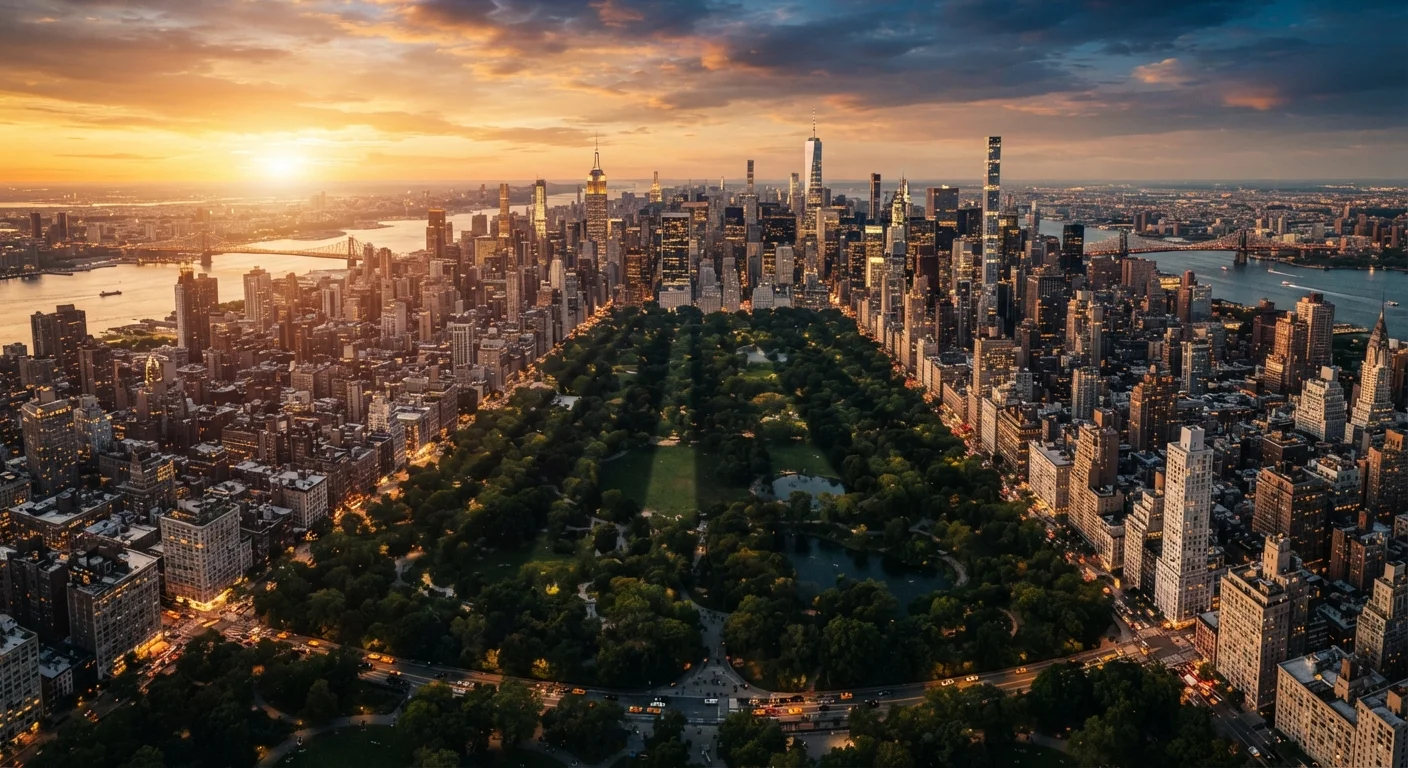
Neighborhoods change character block by block, and walking is often the best way to experience the city. The High Line, Brooklyn Bridge, and Central Park alone offer hours of exploration without spending anything.
Something meaningful to do regardless of interest or budget
Whether your interests run to architecture, theater, history, sport, fashion, or simply people-watching, NYC accommodates. The sheer scale means niche interests are rarely underserved.
Hotel and accommodation costs are very high
Manhattan in particular ranks among the most expensive hotel markets in the United States. Budget travelers need to look carefully at outer-borough options or book well in advance to find reasonable rates.
Sensory and physical exhaustion sets in quickly
The noise, crowds, and constant stimulation of NYC can be draining, especially for visitors not used to dense urban environments. Many first-timers underestimate how tiring a full day of navigating the city on foot can be.
Tourist-heavy zones can feel inauthentic and overpriced
Times Square, Rockefeller Center, and surrounding blocks are heavily commercialized and often disappointing for visitors expecting the 'real' city. Restaurants and shops in these areas tend to offer poor value relative to neighborhoods a few stops away on the subway.
Weather extremes at both ends of the calendar
New York summers are humid and hot; winters can be genuinely bitter with wind-chill temperatures that make outdoor sightseeing uncomfortable for extended periods. Spring and fall are widely considered the most pleasant visiting seasons.
Subway system has a learning curve and reliability issues
Weekend service changes, platform confusion, and occasional delays are part of the NYC subway reality. First-time visitors should check the MTA's official site or app for service advisories before relying on specific routes.
Our Verdict
New York City is a destination that almost always delivers something memorable - but it rarely delivers it cheaply or effortlessly. Visitors who arrive with honest expectations, a flexible itinerary, and a reasonable budget for daily spending tend to leave feeling the hype was earned. Those expecting a relaxing, affordable escape often leave exhausted and overspent.
NYC is best suited to travelers who thrive in high-stimulus environments, want access to world-class culture and food in a single trip, and are prepared to spend at the level the city demands.
What New York City Actually Is as a Travel Destination
New York City is not a single place - it's five boroughs, dozens of distinct neighborhoods, and somewhere between eight and nine million residents going about daily life at full volume. For a visitor, that means extraordinary variety packed into a relatively small geographic footprint. You can move from the financial canyons of Lower Manhattan to the street-food corridors of Jackson Heights, Queens, in under an hour by subway. The range of food, art, performance, and street culture is genuinely difficult to match anywhere else in the United States.
But the same density that makes the city exciting also makes it tiring. Sidewalks are busy. Subways are loud. Hotels are expensive. And the sheer number of options - restaurants, museums, neighborhoods, shows - can create a kind of decision paralysis that leaves first-timers feeling like they somehow visited the wrong version of the city. If you're comparing NYC to a quieter urban destination, it's worth reading our take on what Lisbon actually offers travelers for useful contrast.
Unmatched density of cultural institutions and experiences
The Metropolitan Museum of Art, Lincoln Center, the Brooklyn Museum, countless Off-Broadway venues, and dozens of neighborhood-scale galleries make NYC one of the richest cities in the world for arts and culture. A single trip can barely scratch the surface.
Extraordinary range of food at every price point
From Michelin-starred tasting menus to $2 slices and everything in between, NYC's food scene is genuinely global. Outer-borough neighborhoods like Flushing, Astoria, and Sunset Park offer some of the most authentic and affordable dining in the country.
24-hour public transit that actually works
The NYC subway runs around the clock and connects all five boroughs. Once you understand the system, it's possible to get nearly anywhere in the city without a car, taxi, or ride-share - a major logistical advantage over most American cities.
Walkable, varied, and perpetually interesting streetscape
Neighborhoods change character block by block, and walking is often the best way to experience the city. The High Line, Brooklyn Bridge, and Central Park alone offer hours of exploration without spending anything.
Something meaningful to do regardless of interest or budget
Whether your interests run to architecture, theater, history, sport, fashion, or simply people-watching, NYC accommodates. The sheer scale means niche interests are rarely underserved.
The Real Challenges First-Time Visitors Face
Cost is the most immediate friction point. Midtown Manhattan hotel rates regularly run $250-$400 per night for a standard room, and that's before food, transit, museum admissions, or Broadway tickets enter the picture. Travelers who budget for a typical US city trip often find themselves recalculating by day two.
The subway - one of NYC's great assets - has a learning curve. The system runs 24 hours and covers the city extensively, but navigating express versus local trains, platform directions, and weekend service changes takes some orientation. Most visitors figure it out within a day or two, but arriving without any preparation leads to wasted time and occasional wrong-borough detours.
Tourist-trap density is also real. Around Times Square and the most-photographed blocks of Manhattan, the experience can feel more like a theme park than a city. This doesn't mean those areas have nothing to offer - it means that visitors who stick only to the obvious landmarks often leave feeling the city was overrated. Getting even a few neighborhoods away from Midtown tends to change that impression quickly.
Hotel and accommodation costs are very high
Manhattan in particular ranks among the most expensive hotel markets in the United States. Budget travelers need to look carefully at outer-borough options or book well in advance to find reasonable rates.
Sensory and physical exhaustion sets in quickly
The noise, crowds, and constant stimulation of NYC can be draining, especially for visitors not used to dense urban environments. Many first-timers underestimate how tiring a full day of navigating the city on foot can be.
Tourist-heavy zones can feel inauthentic and overpriced
Times Square, Rockefeller Center, and surrounding blocks are heavily commercialized and often disappointing for visitors expecting the 'real' city. Restaurants and shops in these areas tend to offer poor value relative to neighborhoods a few stops away on the subway.
Weather extremes at both ends of the calendar
New York summers are humid and hot; winters can be genuinely bitter with wind-chill temperatures that make outdoor sightseeing uncomfortable for extended periods. Spring and fall are widely considered the most pleasant visiting seasons.
Subway system has a learning curve and reliability issues
Weekend service changes, platform confusion, and occasional delays are part of the NYC subway reality. First-time visitors should check the MTA's official site or app for service advisories before relying on specific routes.
~67M
Annual visitors to New York City
NYC Tourism + Conventions has reported annual visitor figures in the tens of millions, making it one of the most-visited cities in the world.
472
NYC subway stations across the system
The MTA operates one of the largest rapid transit systems in the world by number of stations, covering all five boroughs.
Top 5
Most expensive US hotel markets
Industry reports consistently place Manhattan among the highest average daily hotel rates in the United States, particularly during peak seasons.
Making the Most of a New York City Trip
Neighborhood choice matters enormously. Staying in Midtown is convenient for first-timers but puts you at the center of the city's most commercialized corridor. The Lower East Side, Brooklyn's Prospect Heights, or Long Island City in Queens offer a more grounded experience and often better value on accommodation. Each has its own dining and cultural identity worth building a day or two around.
Pacing is the other critical variable. NYC rewards visitors who resist the urge to see everything. A well-structured itinerary - one that builds in travel time, accounts for the physical toll of walking 8-10 miles a day, and leaves room for unexpected discoveries - produces a far better experience than an overpacked list. Our guide on building a well-structured travel itinerary is worth reading before you finalize your plans.
Budget-conscious travelers can reduce costs meaningfully by eating where locals eat, using OMNY contactless transit payment instead of single-ride cards, and prioritizing free or low-cost cultural experiences - the city's public parks, street markets, and many museum suggested-donation policies among them. For more on managing travel costs without sacrificing the experience, see our piece on traveling on a budget without ending up miserable.
Comparing NYC to Other Major City Destinations
If you're weighing NYC against other high-intensity urban destinations, the dynamics differ more than you might expect. Tokyo, for instance, is similarly dense but operates at a noticeably different social register - quieter, more orderly, with a transit system that's arguably even more extensive. Our guide on navigating Tokyo as a first-time visitor offers a useful parallel perspective. For a closer domestic comparison, New Orleans beyond Bourbon Street shows how a smaller US city can deliver cultural depth at a very different pace and cost.