

Key Takeaways
Home Inspection
A home inspection is a professional, visual examination of a property's physical condition conducted by a licensed inspector before a real estate sale is finalized. The inspector evaluates major systems and structural components - from the roof to the foundation - and documents findings in a written report. Buyers typically use this report to understand what they're purchasing and, if needed, to negotiate repairs or credits with the seller.
A home inspection is distinct from a home appraisal: the inspection assesses condition and safety, while an appraisal determines market value for lending purposes.
When a Home Inspection Takes Place
In a typical homebuying transaction, the inspection is scheduled after the seller accepts an offer but before the sale closes. Most purchase contracts include an inspection contingency - a clause that gives buyers the right to have the home professionally evaluated within a defined window, usually five to ten days after an offer is accepted.
This contingency matters because it protects buyers. If the inspection surfaces significant problems, the buyer can request that the seller make repairs, reduce the price, or offer a credit - or they can exit the contract without losing their earnest money deposit. Understanding where the inspection fits in the broader sequence is essential. For a complete walkthrough of the process, see The Homebuying Process, Start to Finish.
What the Inspector Actually Examines
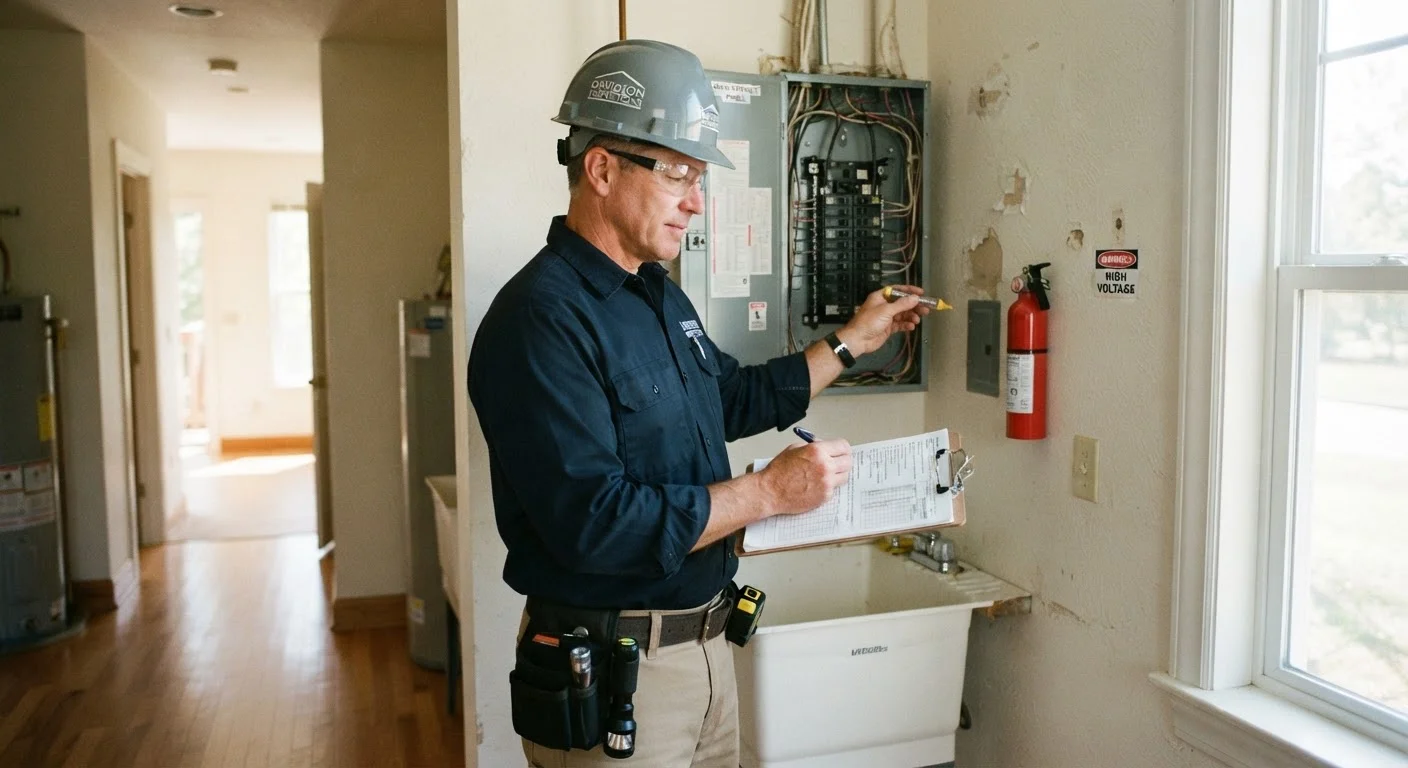
A licensed home inspector conducts a visual examination of accessible components throughout the property. This is not a destructive inspection - the inspector won't open walls or move furniture - but it covers a substantial range of systems and structures. Standard inspection areas typically include:
- Roof: Shingles, flashing, gutters, and visible signs of leaking or wear
- Foundation and structure: Cracks, settling, water intrusion, and framing where visible
- Exterior: Siding, grading (slope of land away from the house), driveways, and decks
- Electrical system: Panel condition, wiring type, outlets, and safety hazards
- Plumbing: Water pressure, pipe condition, water heater, and visible leaks
- HVAC systems: Heating, cooling, and ventilation function and estimated remaining life
- Insulation and ventilation: Attic insulation levels and attic ventilation
- Interior spaces: Walls, ceilings, floors, windows, doors, and stairs
The inspector documents each area with written observations and photographs, noting items that are defective, at the end of their useful life, or potential safety concerns.
What a Home Inspector Cannot Determine
A standard inspection is visual and non-invasive. Inspectors cannot see inside walls, beneath flooring, or under insulation. They also cannot determine whether permits were pulled for past renovations or whether work was completed to code. For permit history, contact the local building department directly. For more on that topic, see Permits, Inspections, and Codes.
How to Get the Most from Attending the Inspection
Buyers are strongly encouraged to attend the inspection in person. Walking through the property with the inspector allows you to see issues firsthand, ask questions in real time, and understand the difference between a minor maintenance item and a structural concern. Reading a written report alone rarely conveys the same level of detail.
Come prepared with questions about the age of the major systems - roof, water heater, furnace, and air conditioning - and ask the inspector directly which findings, if any, require prompt attention. A good inspector will explain findings clearly and help you prioritize.
Bring a Notepad and Your Questions
Write down any concerns you noticed during showings - a stain on the ceiling, a musty smell in the basement - and bring them to the inspector's attention at the start. Inspectors work systematically, and flagging your specific concerns early ensures they get targeted attention. You can also ask the inspector to walk you through the main mechanical systems so you know where shutoffs are located.
Keep in mind that no home is perfect. Even well-maintained properties will have an inspection report that lists items needing attention. The goal isn't to find a flawless house - it's to understand the property's true condition before you commit.
Specialty Inspections Beyond the Standard Report
A general home inspection does not cover everything. Depending on the property's age, location, and characteristics, buyers may want to commission additional specialty inspections separately. Common examples include:
- Radon testing: Radon is an odorless gas that can accumulate in lower levels of homes; testing is inexpensive and widely recommended, especially in high-risk regions.
- Sewer scope: A camera inspection of the sewer line from the house to the street can reveal tree root intrusion, pipe collapse, or aging clay pipes before they become costly emergencies.
- Mold assessment: If the standard inspection reveals moisture intrusion or visible mold, a specialist can test air quality and surface samples.
- Pest inspection: Termite and wood-destroying organism inspections are required by some lenders and are standard practice in many parts of the country.
- Chimney inspection: Fireplaces and chimneys require a specialist to assess liner condition and safety.
These additional inspections come at extra cost but can reveal problems that a standard inspection simply isn't designed to catch. For a broader look at how inspections relate to home improvement and permitting, see Permits, Inspections, and Codes.
Reading the Report and Deciding What to Do Next
The inspection report is a formal written document - often 30 to 60 pages - that details findings with photographs and descriptions. Items are typically categorized by urgency: safety hazards, major defects, and maintenance recommendations. It's important to read the entire report rather than scanning only the summary.
After reviewing the report with your real estate agent, you'll decide how to respond. Common paths include requesting specific repairs before closing, asking for a price reduction or closing credit in lieu of repairs, or accepting the property as-is. In some cases, a serious structural or safety finding may lead a buyer to exit the transaction using their inspection contingency.
Not every defect warrants renegotiation. Routine maintenance items - a clogged dryer vent, a missing outlet cover - are expected in lived-in homes and are generally not grounds for a price reduction. Focus negotiating energy on significant issues: a failing roof, a faulty electrical panel, or evidence of water damage. Understanding which concerns are truly serious is where an experienced buyer's agent adds real value. Home Maintenance Myths That Cost Homeowners Time and Money explores common misconceptions that can affect how buyers interpret inspection findings.