

Key Takeaways
Why Home Maintenance Myths Persist
Many home maintenance beliefs were passed down from a time when materials, building codes, and tools were different. Others spread because they contain a grain of truth - or simply sound plausible. The problem is that acting on outdated or incorrect advice can damage the very systems you're trying to protect, and in some cases create safety hazards. The myths below cover some of the most common - and most consequential - misunderstandings homeowners encounter.
For a structured view of all the systems in your home and how to maintain them, The Complete Picture of Home Maintenance is a useful starting point.
Myth
Pouring boiling water down the drain is a safe way to clear clogs.
Fact
Boiling water can soften or warp PVC pipes and rarely dissolves the solid materials causing most clogs.
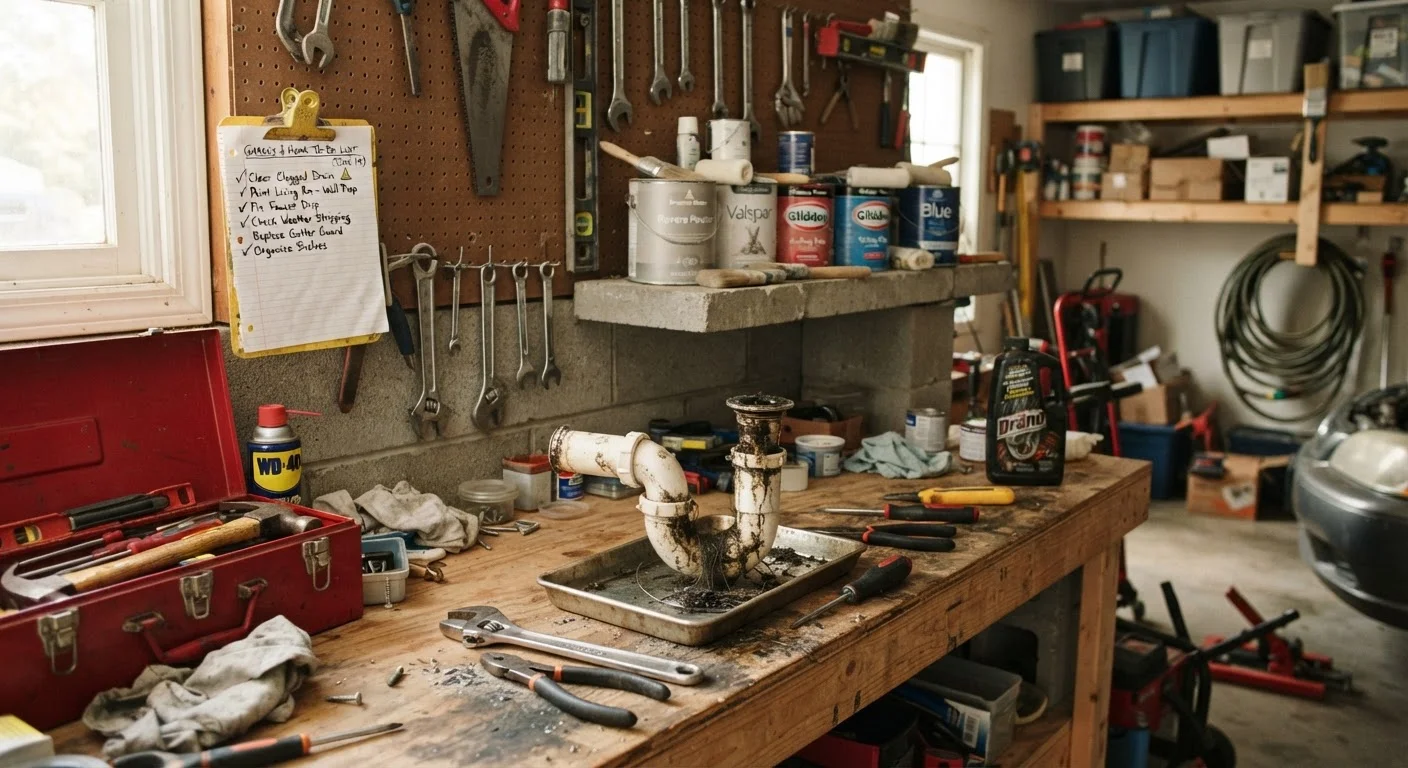
This tip circulates widely, but it applies mainly to all-metal plumbing - increasingly rare in American homes. Most modern drain lines use PVC, which begins to distort at temperatures well below boiling. Beyond pipe damage, boiling water typically can't dissolve grease that has already hardened inside a drain or break apart hair-and-soap-scum blockages. A drain snake or a plunger used correctly is more effective and safer for your pipes. See plumbing basics every homeowner should understand for a broader look at managing drain problems before they escalate.
Myth
Newer homes don't need inspections or regular maintenance checks.
Fact
New construction can have settling issues, installation defects, and warranty-period problems that only a careful inspection will catch.
The belief that a new home is maintenance-free for years leads many owners to skip checks that would catch real problems early. Foundations settle, caulk around tubs and windows shrinks within the first year or two, and HVAC systems installed during construction sometimes have ductwork gaps that go unnoticed. Many builders offer a one-year warranty, but only defects that are discovered and reported get covered. A professional walkthrough during that window can be valuable. For context on what inspectors specifically look for, see what happens during a home inspection.
Myth
Running water while using the garbage disposal means anything can go down it.
Fact
Water flow doesn't make fibrous, starchy, or hard food waste safe to grind - these materials routinely cause jams and drain buildup.
Garbage disposals are designed for small food scraps that remain after rinsing plates, not as a replacement for composting or trash. Fibrous vegetables like celery and artichoke leaves wrap around the grinding plate. Starchy foods like pasta and rice expand with water and form a paste that coats drain walls. Grease and cooking fat - even in liquid form - solidify further down the line and accumulate over time. Running cold water before, during, and after use does help move ground waste through the drain, but it doesn't change what the disposal can safely handle.
Myth
Once you caulk or weatherstrip, it lasts indefinitely.
Fact
Caulk and weatherstripping typically last three to five years before they crack, shrink, or compress past the point of effectiveness.
Both materials are subject to temperature swings, UV exposure, and physical wear. Caulk around windows, doors, and tub surrounds eventually pulls away from surfaces or develops cracks that allow air and moisture infiltration. Weatherstripping compresses over time and loses its ability to create a tight seal when doors or windows close. Checking both annually - especially before winter - and replacing them as needed is a routine task that pays off in lower energy bills and reduced moisture intrusion. For a full look at where air and moisture sneak in, see weatherproofing a home.
Myth
You only need to clean dryer vents if the dryer takes longer to dry clothes.
Fact
Lint accumulation in dryer vents is a fire risk that builds gradually - slow drying is a late warning sign, not an early one.
By the time a dryer takes noticeably longer to complete a cycle, lint buildup in the vent duct may already be significant. The U.S. Fire Administration has identified dryer fires as a recurring home safety concern, with failure to clean venting as a leading contributing factor. Annual cleaning is the general guidance for most households; those who do multiple loads daily may need more frequent attention. Dryer vent cleaning is one of the home safety tasks that gets skipped most often precisely because nothing seems wrong until it is.
Myth
A small roof issue can wait - it's probably not that serious.
Fact
Minor roof damage accelerates rapidly once water finds a path inside, often causing structural and mold damage far more expensive than the original repair.
A single missing shingle or a small area of cracked flashing creates an entry point for water. Over subsequent rain and freeze-thaw cycles, that entry point widens. Water reaching the roof deck can lead to wood rot, and if it gets into attic insulation, mold can establish itself within days under the right conditions. What starts as a modest repair can become a major project involving decking, insulation replacement, and interior ceiling repair. Why small roof problems turn into big repair bills explains how this progression typically unfolds and what early inspections can prevent.
What Good Maintenance Actually Looks Like
Effective home maintenance is less about dramatic fixes and more about consistent, low-effort habits performed on a reliable schedule. Checking caulk and weatherstripping every fall, having dryer vents cleaned annually, and inspecting the roof after major storms are tasks that take little time individually but prevent compounding problems.
DIY Electrical and Gas Work Carries Real Risk
Some maintenance myths lead homeowners toward tasks that require a licensed professional. Electrical repairs, gas line work, and structural modifications typically require permits and inspections in most jurisdictions. Attempting these without proper credentials can void homeowner's insurance coverage, create safety hazards, and cause complications when selling the home. When in doubt, consult a licensed contractor and verify local permit requirements before starting any significant work.
Older homes introduce additional complexity - lead paint, aging wiring, and original plumbing all require specific attention. See maintenance tasks older homes need for guidance specific to pre-1980s construction. And if you're planning any improvement projects along the way, understanding permits, inspections, and codes can help you avoid costly missteps with unpermitted work.
$1,000-$4,000+
Typical cost of water damage from a neglected roof
According to general contractor estimates, water intrusion caught late - after reaching roof decking and insulation - routinely costs several thousand dollars to remediate fully.
2,900
Home dryer fires reported annually in the U.S.
The U.S. Fire Administration has documented roughly 2,900 residential dryer fires per year, with failure to clean venting cited as the leading cause.