

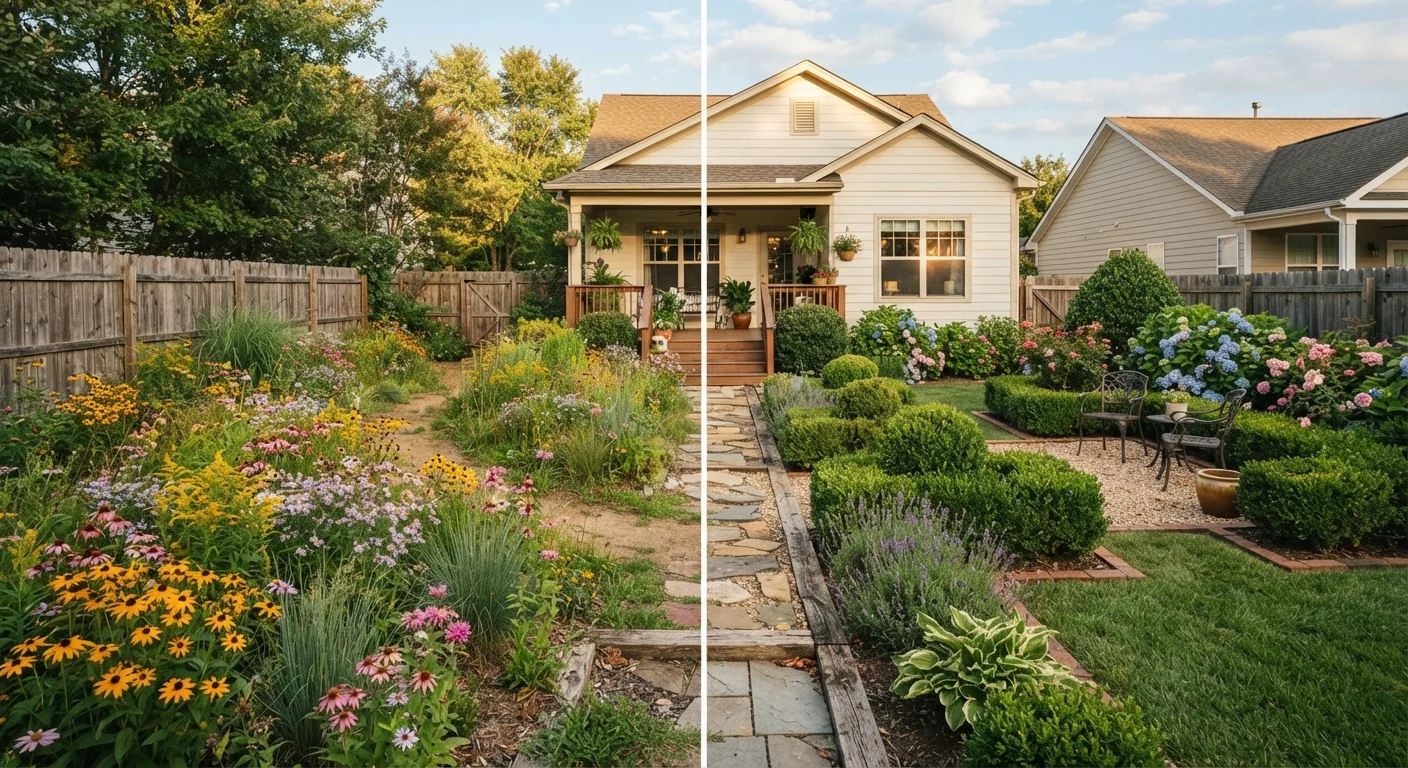
Key Takeaways
Require far less water once established
Native plants are adapted to regional rainfall cycles and typically don't need supplemental irrigation after their first one to two growing seasons, reducing both water bills and labor.
Support local pollinators and wildlife
Natives provide food and habitat for insects, birds, and other wildlife that co-evolved with them - relationships that most exotic ornamentals simply cannot replicate.
Naturally resist regional pests and diseases
Because they evolved with local pest pressures, native plants often resist common regional insects and fungal problems without the need for chemical intervention.
Lower long-term fertilization needs
Native plants are adapted to local soil conditions and nutrient levels, meaning most thrive without regular fertilizer applications that exotic species often require.
Contribute to regional ecological health
Planting natives helps maintain local plant communities, supports food webs, and reduces the risk of contributing to invasive species problems in surrounding natural areas.
Can be harder to source at garden centers
True regional natives are not always stocked at big-box garden retailers, and homeowners may need to seek out native plant nurseries or local conservation sales to find appropriate species.
Establishment period requires patience
Most native plants invest energy in root development during their first season and may look unimpressive above ground - gardeners accustomed to fast results can find this frustrating.
Fewer design options for formal landscapes
Native plant palettes, while diverse, may not suit every aesthetic goal - particularly structured, symmetrical, or European-inspired garden styles that rely on specific plant forms.
Some natives can spread aggressively
Certain native species - including some mints, goldenrods, and spreading grasses - can overtake a bed if not given appropriate space or managed periodically.
Our Verdict
Native plants are the lower-maintenance, ecologically responsible choice for most American yards, especially for gardeners who want to support local wildlife and reduce water and chemical use. Ornamental exotics still have a legitimate place in landscape design when chosen carefully and managed responsibly - provided they are non-invasive in your specific region.
Native plants suit homeowners who prioritize sustainability and ease of care, while non-invasive ornamental exotics appeal to those who want maximum visual impact and greater planting flexibility.
What the Terms Actually Mean
A native plant is one that occurred naturally in a region before European colonization - it evolved alongside local soils, rainfall patterns, insects, and wildlife. An ornamental exotic is a species introduced from another region or country, selected and bred primarily for visual appeal: flower color, leaf shape, seasonal interest, or overall form.
The distinction matters more than it might seem at a glance. Native plants have co-evolved with local pollinators, birds, and beneficial insects over thousands of years. Many exotic ornamentals simply don't offer those ecological relationships - and a small subset, once they escape cultivation, can crowd out native species and destabilize local plant communities. That said, the vast majority of ornamental exotics sold at garden centers are neither invasive nor ecologically harmful.
Check Your State's Invasive Species List First
Before selecting ornamental exotics, take a few minutes to review your state's invasive species list. What is harmless in one region can become problematic in another - for example, Japanese barberry is considered invasive across much of the Northeast but is less of a concern in arid Western states. State cooperative extension services and the USDA Plants Database are reliable starting points for this research.
Before selecting plants for your yard, take a few minutes to review your state's invasive species list. What is harmless in one region can become problematic in another - for example, Japanese barberry is considered invasive across much of the Northeast but is less of a concern in arid Western states.
Advantages of Going Native
Require far less water once established
Native plants are adapted to regional rainfall cycles and typically don't need supplemental irrigation after their first one to two growing seasons, reducing both water bills and labor.
Support local pollinators and wildlife
Natives provide food and habitat for insects, birds, and other wildlife that co-evolved with them - relationships that most exotic ornamentals simply cannot replicate.
Naturally resist regional pests and diseases
Because they evolved with local pest pressures, native plants often resist common regional insects and fungal problems without the need for chemical intervention.
Lower long-term fertilization needs
Native plants are adapted to local soil conditions and nutrient levels, meaning most thrive without regular fertilizer applications that exotic species often require.
Contribute to regional ecological health
Planting natives helps maintain local plant communities, supports food webs, and reduces the risk of contributing to invasive species problems in surrounding natural areas.
Once established - typically after one to two growing seasons - native plants generally thrive with rainfall alone in most U.S. climates. This makes them a natural fit for low-water landscaping strategies that reduce irrigation costs and effort. Because they're adapted to local soil chemistry and pH, they also need far less fertilizer than many exotics. For a deeper look at when and why fertilization matters for your broader yard, see our guide to lawn fertilization throughout the year.
Native plants also support local food webs in ways that exotics often cannot. Research from the University of Delaware has found that native oaks alone support hundreds of caterpillar species - a critical food source for nesting birds. Non-native ornamentals frequently support far fewer insect species, which can reduce overall yard biodiversity over time.
The Case for Ornamental Exotics
Can be harder to source at garden centers
True regional natives are not always stocked at big-box garden retailers, and homeowners may need to seek out native plant nurseries or local conservation sales to find appropriate species.
Establishment period requires patience
Most native plants invest energy in root development during their first season and may look unimpressive above ground - gardeners accustomed to fast results can find this frustrating.
Fewer design options for formal landscapes
Native plant palettes, while diverse, may not suit every aesthetic goal - particularly structured, symmetrical, or European-inspired garden styles that rely on specific plant forms.
Some natives can spread aggressively
Certain native species - including some mints, goldenrods, and spreading grasses - can overtake a bed if not given appropriate space or managed periodically.
This isn't meant to dismiss ornamental exotics entirely. Many have been grown in American yards for generations without ecological incident, and they offer genuine advantages in terms of visual variety and extended bloom seasons. Gardeners in challenging microclimates - deep shade, compacted urban soil, or harsh reflected heat - sometimes find that certain non-native species outperform regional natives in those specific conditions.
Exotics also give designers and homeowners more flexibility for creating formal, symmetrical, or theme-driven landscapes that may not translate well with native plants alone. For gardeners planning mixed beds, our overview of perennial vs. annual flowers can help you layer in color and structure regardless of origin.
Maintenance Realities Side by Side
70%
Of U.S. land is privately owned or managed
According to the U.S. Forest Service, private lands including residential yards make up a significant share of potential wildlife habitat, meaning individual planting decisions carry real ecological weight.
35%
Reduction in irrigation needs with native plantings
Landscape research from various university extension programs suggests that established native plant gardens can require substantially less supplemental watering compared to conventional ornamental plantings.
Native plants don't mean a no-maintenance yard. They still benefit from mulching, occasional pruning, and thoughtful placement. The savings come over time: reduced watering, fewer pest interventions, and less need for soil amendments. Some natives can also be aggressive spreaders within a garden bed, so selecting species appropriate to your specific sub-region matters.
Ornamental exotics, depending on the species, may require supplemental watering during dry spells, regular fertilization to compensate for soil mismatch, and closer monitoring for pests that their native-range predators don't follow them to America. That said, some well-chosen non-invasive exotics can be remarkably low-maintenance in the right setting.
When prepping beds in either direction, a consistent seasonal routine pays dividends. The tasks in our spring yard prep checklist apply whether you're planting coneflowers or crape myrtles. Whichever category you lean toward, healthy plants also reduce reliance on chemical controls - something our article on plants that naturally deter common garden pests explores in more depth.