

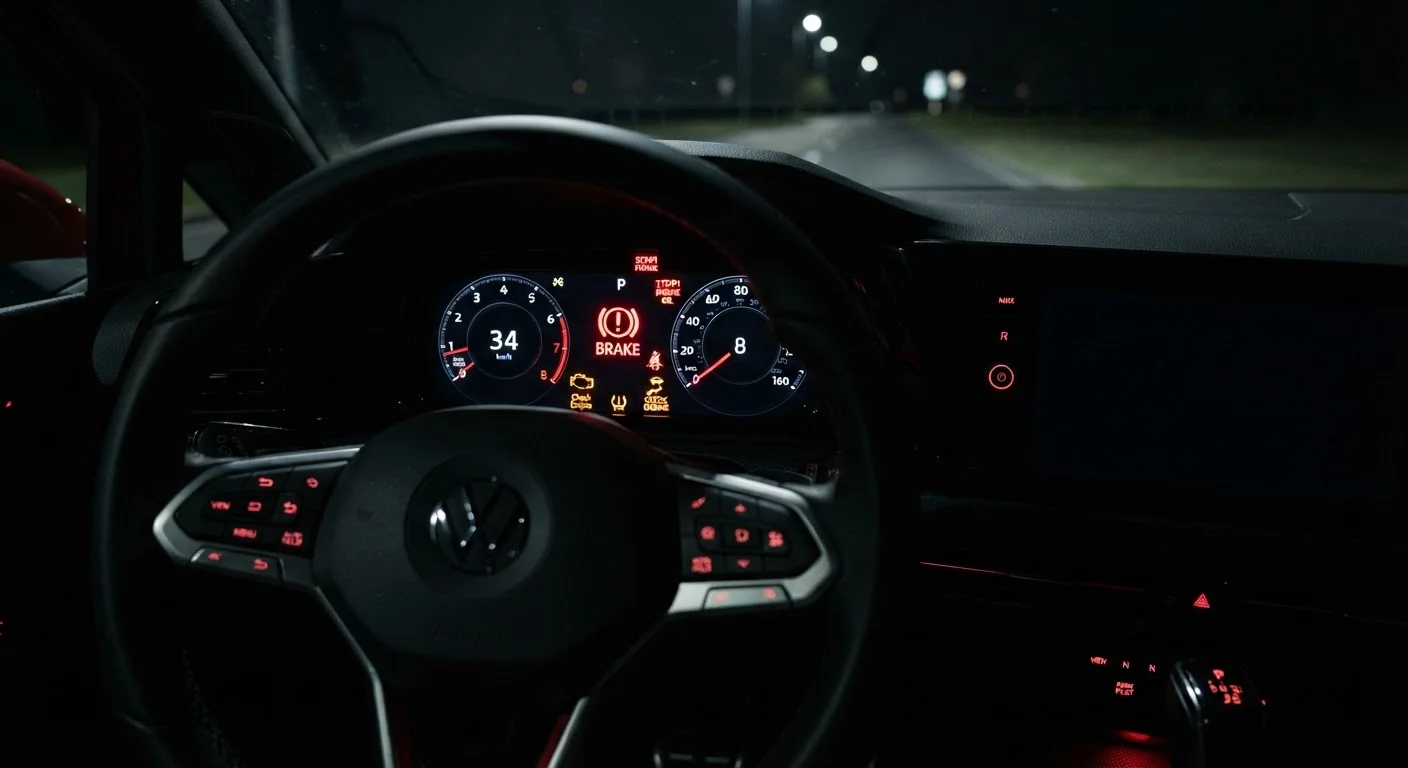
How the Warning Light System Works
Modern vehicles use a standardized system of dashboard warning lights - sometimes called the MIL system - to alert drivers to everything from minor maintenance reminders to serious mechanical faults. Most lights follow a traffic-light color logic: red means stop or act immediately, yellow/amber means investigate soon, and green or blue simply confirms a system is active.
When you turn your key to the "on" position (or press the start button), virtually all your warning lights briefly illuminate as a self-check - this is normal. Lights that remain on after the engine starts, or that come on while driving, are the ones that demand attention. Your owner's manual remains the definitive reference for your specific vehicle; the guide below covers the most common symbols across the majority of passenger cars sold in the United States.
The Most Common Warning Lights, Explained
Check Engine Light (Amber Engine Outline)
One of the most misunderstood lights on any dashboard, the check engine light signals that your vehicle's onboard diagnostic system - OBD-II - has logged a fault code. The cause can range from a loose gas cap to a failing catalytic converter. A steady amber light generally means schedule a diagnostic appointment soon. A flashing check engine light is more urgent: it typically indicates an engine misfire that can damage the catalytic converter if ignored - reduce speed and seek service promptly.
Oil Pressure Warning (Red Oil Can)
This is one of the most critical lights your dashboard can show. Low oil pressure means vital engine components may not be receiving adequate lubrication, which can cause rapid and severe damage. Pull over safely, shut off the engine, and check your oil level. Do not continue driving with this light on. If the oil level is correct and the light persists, have the vehicle towed to a qualified mechanic. For related symptoms, see our guide on identifying fluids leaking under your car.
Temperature Warning (Red Thermometer in Liquid)
Your engine is overheating. Pull over as soon as it is safe to do so, turn off the engine, and do not open the radiator cap while the engine is hot - pressurized coolant can cause serious burns. Allow the engine to cool before checking coolant levels. Continuing to drive an overheating engine risks warped cylinder heads or a blown head gasket.
Battery / Charging System (Red Battery Outline)
This light indicates the vehicle's electrical charging system is not maintaining proper voltage - typically a failing alternator, a weak battery, or a broken serpentine belt. Electrical accessories may begin failing. Drive to a service location promptly; do not turn the engine off if you can help it, as it may not restart.
TPMS - Tire Pressure Monitoring System (Exclamation in a Horseshoe)
A TPMS light signals that one or more tires are significantly under-inflated (typically 25% or more below the recommended pressure). Check and correct tire pressure as soon as possible. Correct inflation levels are printed on a sticker inside the driver's door jamb - not on the tire sidewall. Our companion article on reading your tire sidewall explains what those sidewall numbers actually mean.
Brake System Warning (Red Circle with Exclamation or "BRAKE")
If the parking brake is not engaged and this light appears, it could indicate low brake fluid or a fault in the braking system. Brakes are a primary safety system - have this inspected immediately. Do not assume the light is just a reminder.
Traction Control / Stability Control (Car with Squiggly Lines)
A briefly flashing traction or stability control light while driving on slippery roads is normal - it means the system is actively working. A steady light means the system has been turned off or has detected a fault. If you did not manually disable it, a fault-related steady light warrants a diagnostic check.
ABS Light: A Separate System from Your Brakes
The ABS warning light (typically the letters "ABS" in a circle) indicates a fault in the anti-lock braking system, not your standard brake circuit. Your regular brakes will still function, but the ABS - which prevents wheel lockup during hard stops - may be disabled. This warrants a prompt inspection, especially before winter driving. Do not confuse it with the main brake system warning light, which is more immediately critical.
What to Do When a Light Comes On
Your response should match the urgency of the light's color and behavior. As a general framework: red lights with driving-critical implications (oil pressure, temperature, brakes) mean stop soon and do not continue driving until the cause is identified. Amber lights generally allow you to continue driving cautiously to a service facility. If you're unsure what a symbol means - especially an unfamiliar one - consult your owner's manual before dismissing it.
Recurring or intermittent warning lights that come and go should not be ignored. Intermittent faults are often early-stage problems that are less expensive to fix than the failures they precede. Our article on signs your car needs attention that drivers commonly brush off covers the broader pattern of early warning symptoms worth taking seriously.
Once a fault is diagnosed and repaired, a technician will clear the code using a scan tool. Many auto parts retailers also offer free OBD-II code reads if you want to understand what a check engine light is flagging before visiting a shop - this gives you useful context without obligating you to any particular service provider. Following your vehicle's factory-recommended service schedule is one of the most reliable ways to prevent many of these lights from appearing. See our guide to scheduled maintenance intervals for a full breakdown.