

Travel & Trips

Before You Book a Safari: What to Verify, Research, and Prepare

Share
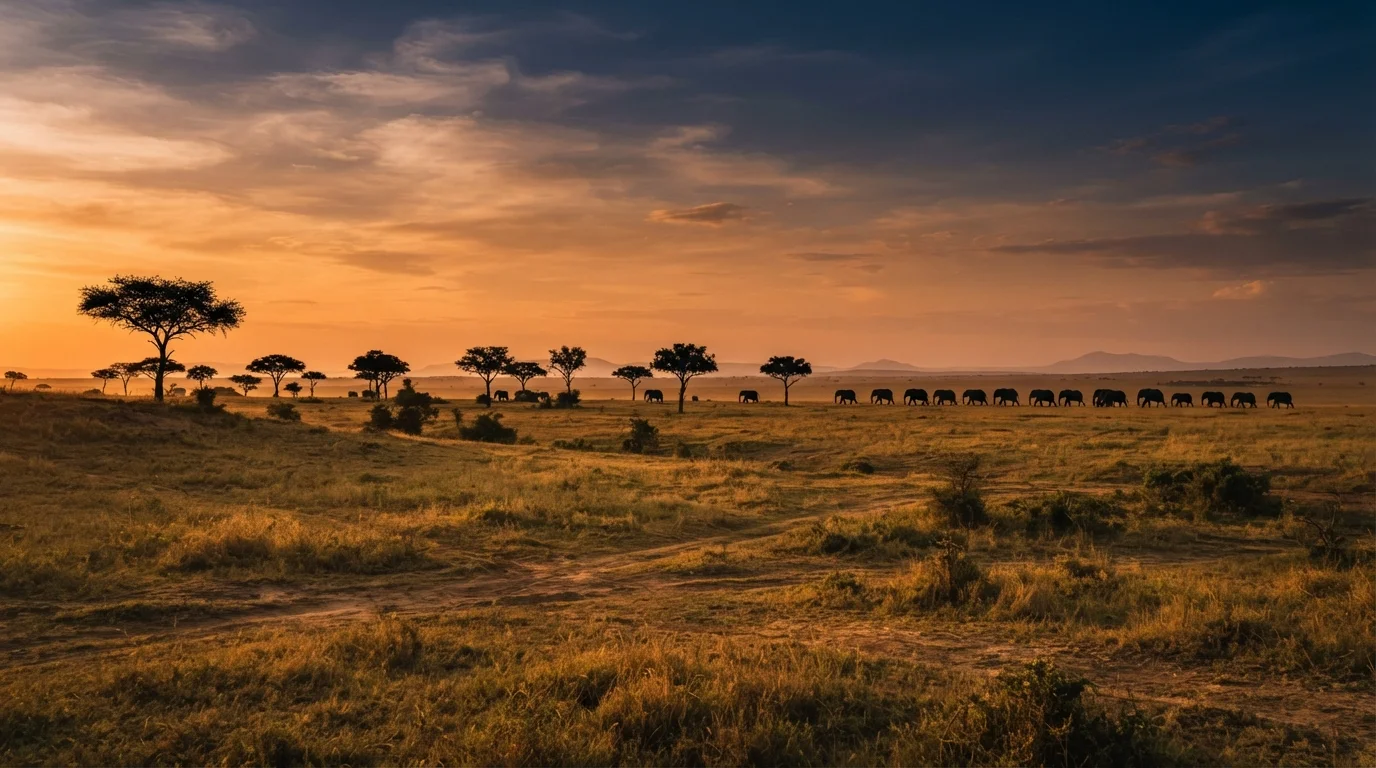
Golden hour safari landscape with acacia trees and elephants roaming the African savanna.

Key Takeaways

Health prep — vaccinations and malaria prophylaxis — must begin weeks or months before departure.
Visa requirements vary by destination country and your passport; verify with official government sources.
Choosing the right season dramatically affects which animals you'll see and how crowded parks will be.
Safari operators vary widely in legitimacy; verify credentials before paying any deposit.
Packing light and smart improves your game-drive experience significantly.
Wildlife sightings are never guaranteed — calibrate expectations before you go.
45–90 min

Summary

24 items · 45–90 minutes

Why Safari Prep Is Different From Other Trips

A safari isn't a resort vacation you can wing. Many destinations sit in remote regions with limited medical facilities, unpredictable connectivity, and strict entry requirements that can shift without much notice. Getting these fundamentals wrong doesn't just inconvenience you — it can derail the trip entirely or create real safety risks.

This checklist works best when you start using it at least three to four months before your planned departure. Some items — particularly vaccinations and visas — have processing timelines that make last-minute preparation nearly impossible. Think of this as your pre-departure audit, not a day-before scramble.

Whether you're heading to East Africa's iconic parks, Southern Africa's private reserves, or another region entirely, the categories below apply broadly. Always verify country-specific requirements with official government and consular sources, as rules change. For a broader pre-trip framework, see our pre-trip planning checklist that covers documents, insurance, and logistics across trip types.

Health & Medical Preparation

Schedule a travel medicine consultation at least 6–8 weeks before departure to discuss required and recommended vaccinations. Must
Ask your travel medicine provider about malaria risk in your specific destinations and discuss prophylaxis options. Must
Verify your routine vaccinations are up to date, including tetanus-diphtheria, hepatitis A, and typhoid. Must
Pack a travel health kit with insect repellent (DEET- or picaridin-based), sunscreen, rehydration salts, and any prescription medications. Must
Purchase comprehensive travel health insurance that includes emergency medical evacuation — standard policies rarely cover this. Must

Entry Requirements & Documentation

Confirm your passport is valid for at least six months beyond your return date and has sufficient blank pages. Must
Check visa requirements for every country you'll enter — including transit stops — using official government or embassy sources. Must
Verify whether your destination requires proof of yellow fever vaccination for entry, particularly if you're arriving from an at-risk country. Must
Make digital and physical copies of your passport, visa, insurance documents, and emergency contacts; store them separately from originals. Should
Register your trip with the U.S. State Department's STEP program to receive safety alerts and assistance if needed. Should

Choosing Your Operator & Destination

Research your safari operator's credentials — look for membership in recognized regional tourism bodies and verifiable reviews from past travelers. Must
Confirm what's included in your package: park fees, game drives, accommodations, meals, and airport transfers. Must
Match your destination and season to the wildlife experience you want — migration timings, dry season visibility, and rain patterns vary significantly by region. Must
Ask your operator about group sizes on game drives; smaller groups generally provide a quieter, more flexible experience. Should
Review the operator's cancellation and refund policy in writing before paying any deposit. Must

Packing & Gear

Pack neutral-colored, lightweight clothing in khaki, tan, olive, or grey — bright colors and white are generally discouraged in the bush. Must
Include a quality pair of binoculars; they significantly enhance game viewing, especially for birds and distant wildlife. Should
Check luggage weight and size restrictions for bush flights, which are common and strict — many limit bags to 15–20 lbs in a soft-sided bag. Must
Bring a dust-proof camera bag or protective cover if you're carrying photography equipment on open vehicles. Nice to have
Pack a headlamp, power bank, and universal power adapter appropriate for your destination's outlet type. Should

Tools and Resources You'll Need

Pulling this checklist together means gathering information from multiple reliable sources. Here's what to have on hand before you start working through each category.

Required

U.S. State Department Travel Website (travel.state.gov)

Check current travel advisories, visa requirements, and country-specific entry rules for your destination.

Required

CDC Travelers' Health Portal (wwwnc.cdc.gov/travel)

Look up destination-specific vaccine recommendations and health notices before your travel medicine appointment.

Required

Travel Medicine Clinic

Get personalized vaccination and prophylaxis guidance from a provider trained in travel-specific health risks.

Required

Soft-Sided Duffel Bag

Required for bush flight luggage restrictions — hard-shell suitcases typically cannot be accommodated in small aircraft holds.

Required

Travel Insurance Policy with Medical Evacuation

Covers emergency medical transport from remote areas — essential for destinations far from major medical facilities.

Optional

Binoculars (8x42 or 10x42 magnification)

Enhances wildlife observation across distances, particularly valuable for birdwatching and spotting shy animals.

Setting Realistic Wildlife Expectations

One of the most common sources of safari disappointment is misaligned expectations. The iconic images — lions draped over a Land Rover, leopards in a tree, a thousand wildebeest crossing a river — represent extraordinary moments, not everyday guarantees. Wildlife sightings depend on season, weather, time of day, and plain luck.

Wildlife Sightings Are Never Guaranteed

No reputable guide or operator can promise you'll see the Big Five or any specific animal. Safari ecosystems are wild and unpredictable by nature. If an operator guarantees specific sightings as part of their pitch, treat that as a red flag rather than a selling point.

The good news: even a quiet game drive in a well-managed reserve offers extraordinary encounters with landscapes, birdlife, and behavior most people never witness. Travelers who approach a safari with curiosity rather than a checklist mentality consistently report richer experiences. Build your itinerary with enough days to absorb the variability — three nights in a single area is usually considered a minimum for meaningful game viewing.

Once your safari prep is locked in, the next step is turning your research into a coherent schedule. Our guide on building a well-structured travel itinerary walks through pacing and prioritization so no day feels wasted.

Safari Scams and Unverified Operators

The safari industry includes a range of operators — from highly reputable to outright fraudulent. Be cautious of unusually low prices, operators who pressure you to pay quickly, or companies with no verifiable physical address or tourism body membership. Ask for references, check independent review platforms critically, and never wire money without a proper written contract in hand.

Travel & Trips Editorial Team is the collective byline for our editorial team and contributor network. Articles published under this byline or an editorial pen name are researched, written, and reviewed according to our editorial standards for clarity, consistency, and independence before publication.

View all articles by Travel & Trips Editorial Team →
Disclaimer: The content on this site is provided for informational purposes only and should not be considered a substitute for professional advice. While we strive to provide accurate and up-to-date information, we make no guarantees regarding its completeness or accuracy. Always consult a qualified professional for advice specific to your circumstances before making any decisions.