

Key Takeaways
Defensive Driving
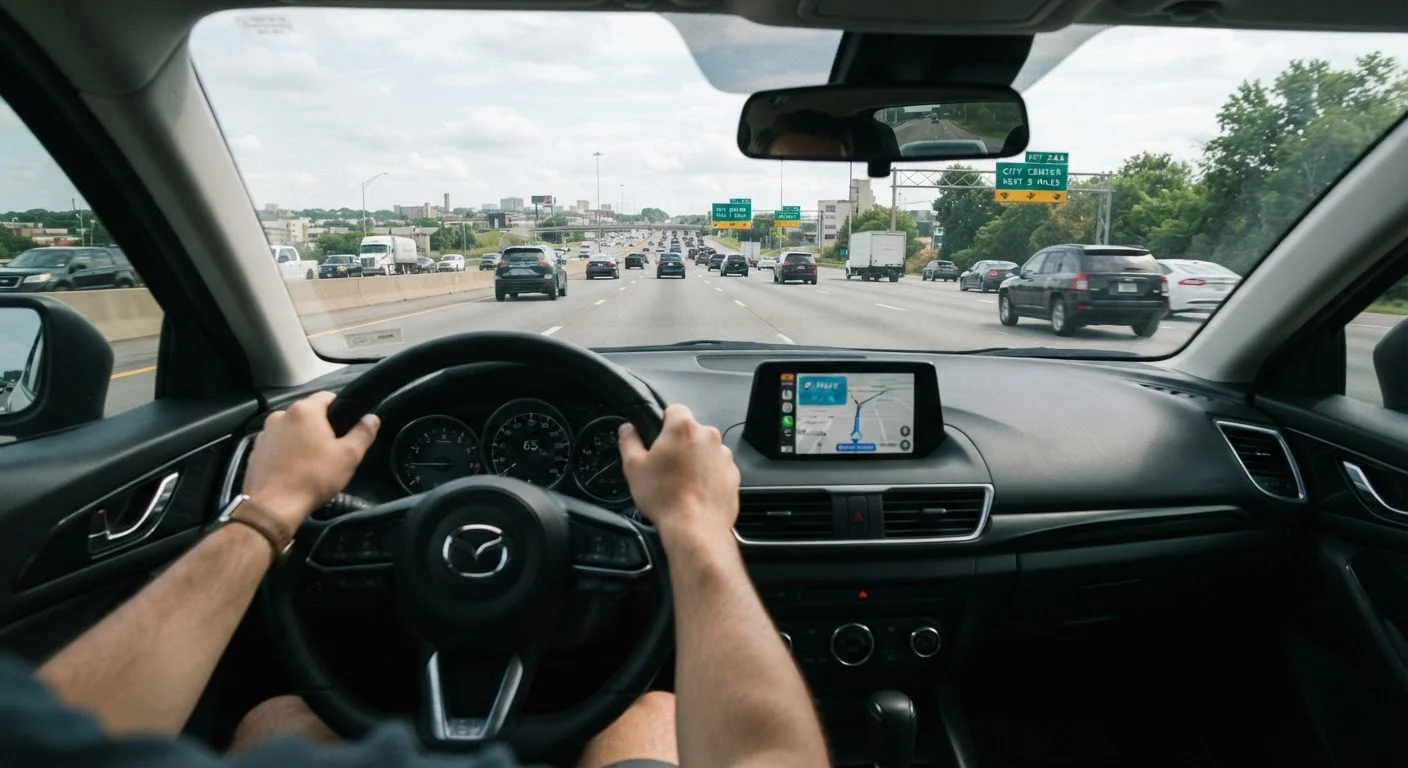
Defensive driving is a structured approach to operating a vehicle that goes beyond following traffic laws. It involves actively scanning the road for potential hazards, maintaining safe following distances, and adjusting your behavior based on what other drivers, pedestrians, and road conditions might do next. The goal is to reduce collision risk by anticipating problems before they develop.
Defensive driving principles are codified in programs recognized by the National Safety Council (NSC) and the American Automobile Association (AAA), and completion of approved courses can sometimes reduce insurance premiums or satisfy court-ordered requirements - terms vary by state and insurer.
The Core Idea Behind Defensive Driving
Most drivers think of safety as following the rules: stop at red lights, signal before turning, obey the speed limit. Defensive driving accepts all of that as the baseline - then asks what happens when someone else doesn't follow the rules, or when the road itself becomes unpredictable.
At its core, defensive driving is about anticipation over reaction. A reactive driver brakes when a car pulls out in front of them. A defensive driver has already identified that intersection as a likely conflict point and reduced speed before any threat materialized. That fraction of a second - the gap between reacting and anticipating - is where most crashes are prevented or caused.
The concept is not new. Organizations like the National Safety Council have formalized defensive driving principles for decades, and the techniques are taught to commercial drivers, emergency responders, and everyday motorists alike. The underlying logic is consistent: you cannot control other drivers, but you can control how prepared you are for their mistakes.
“The goal of defensive driving is not to make you a perfect driver - it's to give you enough margin that other people's imperfection doesn't become your emergency.”
— National Safety Council, U.S. nonprofit focused on workplace and roadway safety education
Key Techniques Defensive Drivers Use
Defensive driving translates into a set of consistent, learnable habits. These are not vague suggestions - they are specific behaviors that reduce exposure to collision risk.
- Maintain a safe following distance. The commonly taught three-second rule provides a buffer that gives you time to stop if the car ahead brakes suddenly. In adverse weather or at highway speeds, that gap should increase further. See our guide to driving in adverse weather for how conditions change what's safe.
- Scan ahead continuously. Rather than focusing only on the vehicle directly in front, defensive drivers look 10-15 seconds ahead - far enough to spot a merging truck, a pedestrian stepping off the curb, or a traffic light about to change.
- Check mirrors regularly. Knowing what's beside and behind you enables better lane-change decisions and avoids being boxed in during emergencies. A common recommendation is to glance mirrors every 5-8 seconds.
- Manage your position on the road. Staying out of other drivers' blind spots, leaving escape routes, and avoiding unnecessary time in adjacent lanes all reduce the chances of getting caught in someone else's error.
- Control speed for conditions. Posted speed limits are legal maximums, not always appropriate targets. Rain, fog, construction zones, and heavy traffic all warrant reduced speed. Our night driving habits guide outlines how reduced visibility specifically changes the calculus.
Build the Habit Before You Need It
Defensive techniques are most effective when they are automatic, not deliberate. Practice scanning mirrors every few seconds, adjusting following distance, and identifying escape routes on every drive - not just when conditions look threatening. Habits formed in low-pressure situations are the ones available in high-pressure moments.
Defensive Driving at Intersections and Roundabouts
Intersections are disproportionately dangerous - the Federal Highway Administration has consistently identified them as the location of a large share of serious crashes. Defensive driving at intersections means more than waiting for a green light. It means pausing briefly after a light turns green to confirm cross-traffic has actually stopped, scanning left-right-left before entering, and never assuming a turning driver has seen you.
Roundabouts present their own set of assumptions worth challenging. Many drivers misunderstand yield rules or fail to signal correctly, creating unnecessary conflict. Understanding how roundabouts actually work - rather than how drivers assume they work - is part of applying defensive thinking to real-world infrastructure. Common roundabout myths and what's actually true breaks down where those misunderstandings typically occur.
The Role of Driver State: Fatigue, Distraction, and Attitude
Defensive driving is as much about managing yourself as it is about managing your environment. A driver who is fatigued, distracted, or emotionally agitated loses the attentional bandwidth that defensive techniques depend on.
Distraction - including phone use - is consistently cited by the National Highway Traffic Safety Administration (NHTSA) as a leading factor in crashes. Even hands-free phone calls reduce cognitive attention in ways that delay hazard recognition. Defensive drivers treat their mental state as a safety variable, not an afterthought.
Fatigue follows a similar pattern. Drowsy driving impairs reaction time comparably to alcohol impairment at certain thresholds, according to research from the AAA Foundation for Traffic Safety. Recognizing the signs of fatigue and choosing to stop rather than push through is itself a defensive decision.
Attitude matters too. Drivers who treat the road as a competition, who perceive other drivers as obstacles rather than people making mistakes, are more likely to engage in behaviors - like tailgating or aggressive lane changes - that eliminate the safety margins defensive driving is designed to create. Emotional regulation is a genuine component of road safety, not a soft concept.
94%
Crashes involving human error
The NHTSA has attributed approximately 94% of serious crashes to human choice or error, underscoring why driver behavior - not just road design - is the central safety variable.
3 sec
Minimum recommended following distance
Traffic safety educators widely recommend a minimum three-second following gap in normal conditions, increasing to four or more seconds in rain, fog, or heavy traffic.
40%
Crash reduction at roundabouts vs. traditional intersections
According to the Insurance Institute for Highway Safety (IIHS), roundabouts reduce injury crashes by roughly 75% and overall crashes by about 35-40% compared with signalized intersections.
Defensive Driving Courses and When They Apply
Formal defensive driving courses are offered by a range of organizations, including the NSC and AAA, both in-person and online. These courses typically cover hazard recognition, speed management, space management, and the legal consequences of traffic violations - including how impairment laws interact with driving rights. For context on the legal landscape, our explainer on DUI vs. DWI and what the difference means outlines how impaired driving is handled differently across states.
Completing an approved course may satisfy a court order following a traffic violation, and in many states it can lead to point reduction on a driving record. Some insurers extend a discount to graduates of approved programs, though terms vary widely - confirming with your specific insurer and state DMV is essential before treating this as guaranteed.
Beyond the formal benefits, the practical value is straightforward: drivers who understand the principles of anticipation, space management, and controlled decision-making simply have more tools at their disposal when conditions deteriorate. Those habits compound over time into a meaningfully safer driving record.