

Key Takeaways
Car Depreciation
Car depreciation is the reduction in a vehicle's market value over time. It's the difference between what you paid for a car and what it's worth when you sell or trade it in. Depreciation is considered one of the largest ongoing costs of owning a vehicle, even though it isn't a bill you pay each month.
Depreciation is calculated as a percentage of a vehicle's original value lost per year; accountants and fleet managers often use straight-line or accelerated depreciation schedules to model this loss.
How Depreciation Works
Every vehicle loses value over time - that's depreciation. Unlike fuel or insurance, it doesn't show up as a direct expense on your monthly statement, but it's real money leaving your pocket. When you eventually sell or trade in the car, the difference between what you paid and what you receive represents your depreciation loss.
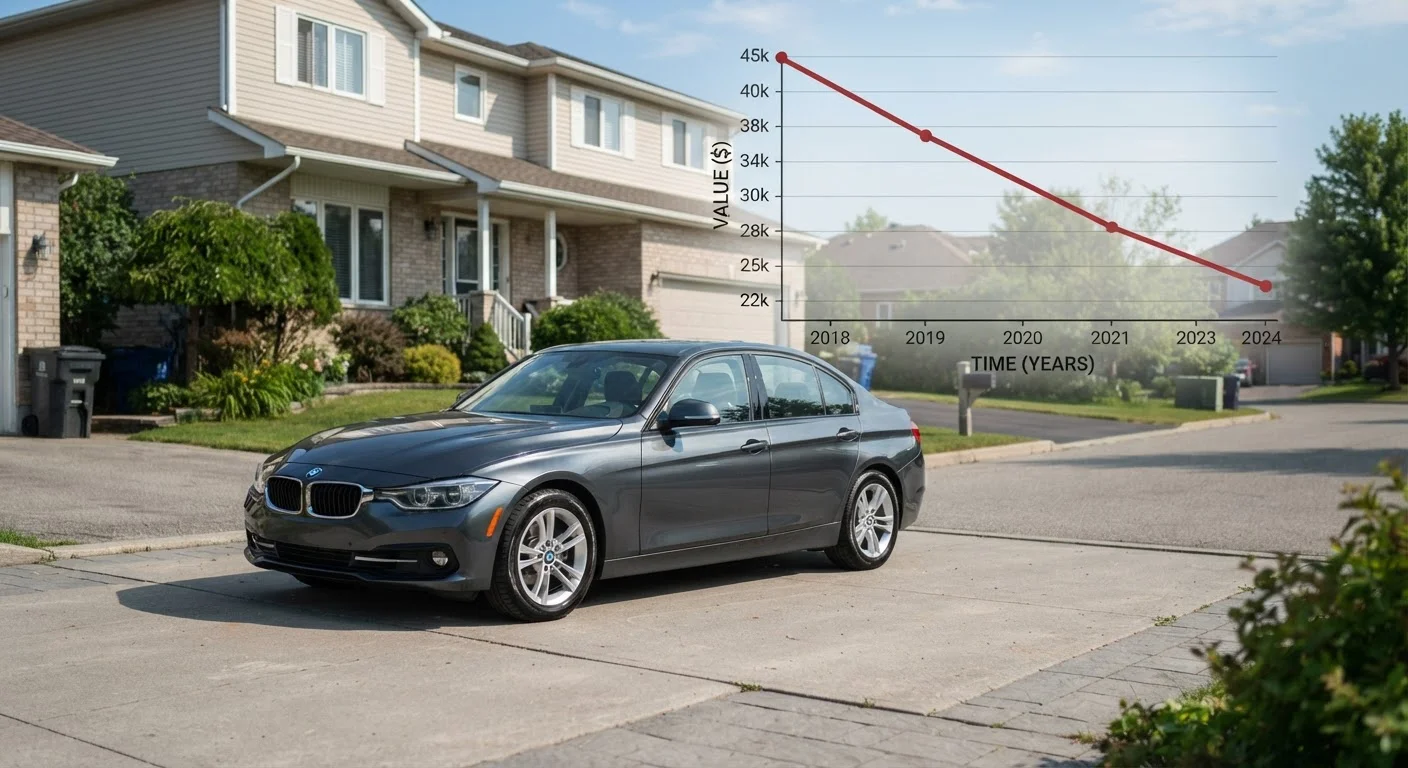
Depreciation isn't linear. The loss is front-loaded, meaning the largest drop happens early in the vehicle's life. A brand-new car often loses a significant portion of its value within the first 12 months simply because it transitions from "new" to "used." After that initial drop, the rate of loss typically slows but continues throughout the vehicle's life.
Several forces drive depreciation: age, mileage, physical condition, available supply of that model, consumer demand, and broader economic conditions. A vehicle that was popular when you bought it may depreciate faster if a newer generation is released or if fuel prices shift consumer preferences.
~20%
Average value lost in year one
Industry estimates consistently place first-year depreciation for new vehicles in the 15-25% range, depending on make and model.
40-60%
Value lost in the first five years
Automotive market data shows most new vehicles lose nearly half their value within five years of purchase.
~$3,000+
Estimated annual depreciation cost per vehicle
The American Automobile Association (AAA) has cited depreciation as one of the top three costs of vehicle ownership in its annual driving cost studies.
The First Few Years: Where Depreciation Hits Hardest
The first three to five years of ownership represent the most aggressive phase of value loss. Industry data consistently shows that a new vehicle can lose between 40% and 60% of its original value within five years, depending on the make, model, and market conditions.
This front-loaded depreciation pattern is the primary reason many financial advisors and automotive experts suggest that buying a vehicle two to three years old - rather than brand new - can deliver meaningfully better value. The original owner absorbs the steepest decline; the second buyer gets a vehicle that still has significant useful life ahead of it at a reduced price.
After roughly five to seven years, many vehicles enter a more gradual depreciation phase. Value still declines, but the percentage drop per year typically narrows. This is also why older vehicles with high mileage can represent practical transportation value even though they carry elevated maintenance risk.
Timing Your Purchase to Minimize Depreciation Impact
If you plan to sell or trade in your vehicle within a few years, choosing a model known for strong resale value can meaningfully reduce your net cost of ownership. Research historical depreciation rates for any model you're considering before committing - this information is widely available through automotive valuation resources. Also consider how long you realistically plan to keep the vehicle: longer ownership spreads the depreciation cost across more years of use.
What Affects How Fast Your Car Loses Value
Not all vehicles depreciate at the same rate. Several factors influence how quickly a particular car loses market value:
- Brand and model reputation: Vehicles with strong reliability records and loyal buyer bases tend to hold value better over time.
- Mileage: Higher annual mileage is consistently associated with faster depreciation, since it signals more wear on mechanical components.
- Condition: Physical damage, worn interiors, or deferred maintenance all reduce resale value. A clean, well-maintained vehicle commands more at resale.
- Color and features: Unusual colors or trim packages with limited appeal can hurt resale. Popular configurations tend to retain value more reliably.
- Market timing: Economic downturns, fuel price spikes, or a sudden surplus of a particular model in the used market can accelerate depreciation regardless of the vehicle's condition.
Understanding these factors matters when you're deciding what to buy. Our breakdown of new vs. used car trade-offs explores how depreciation fits into the larger picture of purchase decisions.
Why Depreciation Matters for Used Car Buyers
For used car shoppers, depreciation is actually an ally. When a vehicle has already absorbed its steepest value drop, you're paying closer to its true remaining-use value rather than a premium for newness.
A three-year-old vehicle with reasonable mileage and a clean service record can offer a significant price advantage over a brand-new equivalent - sometimes tens of thousands of dollars - while still providing years of reliable transportation. This is one of the most consistent advantages of the used market.
That said, used car evaluation requires diligence. A vehicle history report can reveal accident records, title issues, and ownership history, but it doesn't tell you everything about a car's mechanical state. A pre-purchase inspection by a qualified mechanic adds an important layer of verification.
When you're eventually ready to move on from a vehicle, depreciation directly shapes the trade-in offer you'll receive. Knowing how dealers assess value puts you in a better negotiating position - a topic covered in our guide on how trade-in valuations work.
Depreciation as an Ongoing Ownership Cost
Most drivers focus on visible costs - fuel, insurance, and repairs - but depreciation is often the single largest expense of vehicle ownership on a per-mile basis. Factoring it into your ownership budget gives you a more honest picture of what a vehicle truly costs you each year.
This is especially relevant when comparing ownership scenarios. A vehicle with a lower purchase price but fast depreciation may cost more over five years than a slightly pricier model that holds its value well. Depreciation also intersects directly with leasing decisions, since lease payments are structured around projected depreciation.
For a complete view of what vehicle ownership actually costs beyond the sticker price, see our overview of car ownership costs most drivers don't budget for. Depreciation rarely appears on a monthly bill, but accounting for it helps you make decisions that hold up over time.